
Written By: Dean Shali
Fact Checked By: Sabré Cook
Reviewed By: Tamara Warren
It is not just about the one Tiny Sensor: but it is actually protecting feature that needs to be working in perfect condition with accurate readings as well.
As, TPMS sensors works constantly and monitor the air pressure inside your tires and make sure they are in good shape, otherwise they gives warning as a safety procedure.
But, your TPMS is triggering the warning light without accurate reasons such as: provides inaccurate tire pressure readings or not detecting at all, then don’t take risk of having uneven tire wear, reduced braking performance or sudden blowouts: Just Change The TPMS.
As, in this guide you’ll learn How to Replace a TPMS Sensor so that you can make sure it works perfectly and keeps you and your vehicle in a safe side without compromising with readings and anything at all.
Now, Let’s Understand All About TPMS Sensors
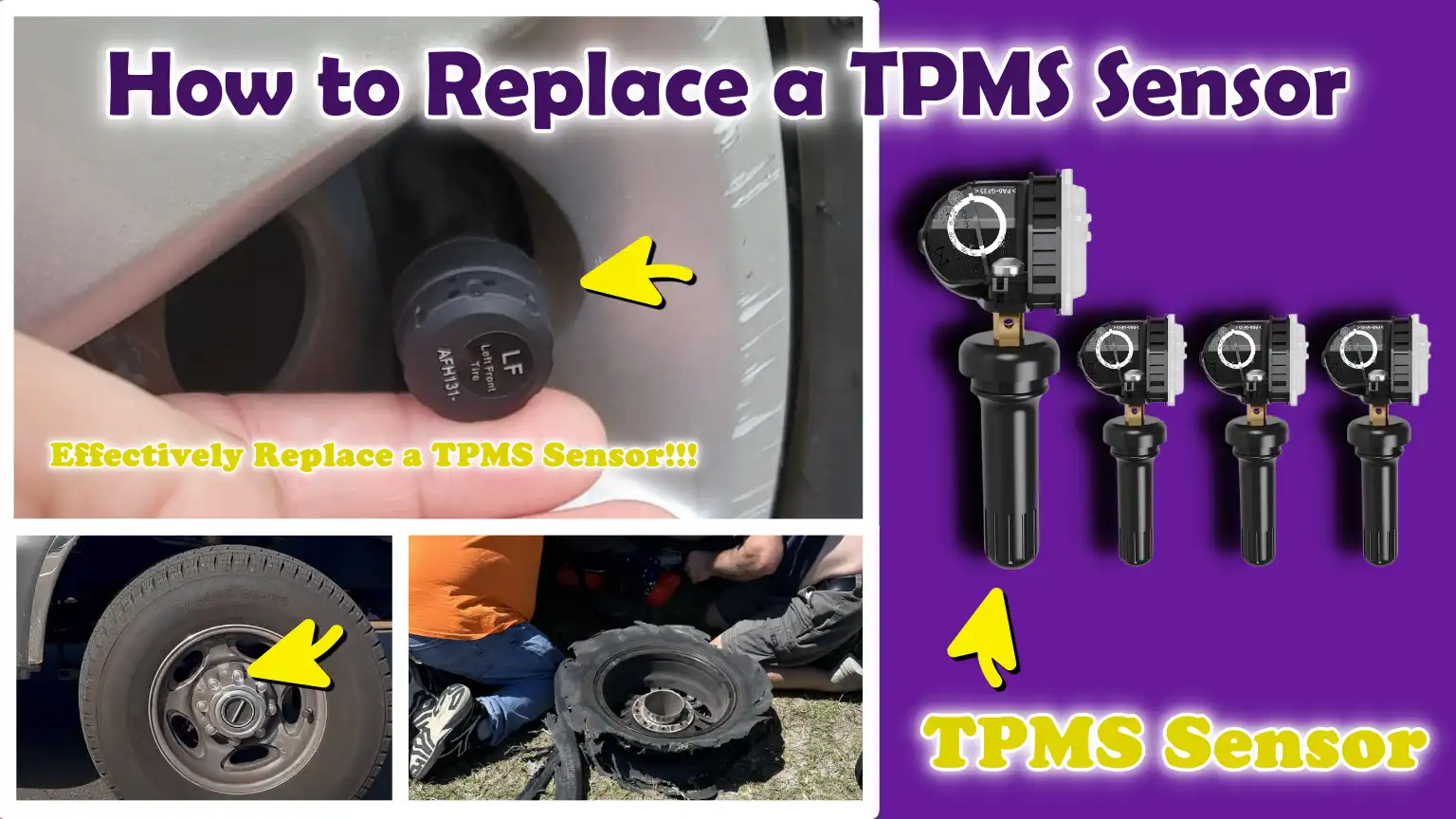
Tire Pressure Monitoring System (TPMS) sensors are small devices installed inside your vehicle’s tires.
They continuously measure air pressure and alert you when the pressure drops below a predetermined level.
Maintaining proper tire pressure is crucial, as underinflated tires can lead to reduced fuel efficiency, accelerated tire wear and even dangerous incidents such as tire blowouts.
TPMS sensors are a vital safety component in modern vehicles, helping drivers avoid accidents and ensuring optimal tire performance.
Understanding how these sensors function, as well as the different types available, as it can help you identify issues quickly and replace them correctly when necessary.
1. Types of TPMS Sensors
TPMS sensors primarily fall into two categories: Direct and Indirect.
Direct TPMS sensors are installed inside each tire, typically attached to the valve stem, and measure air pressure directly using a small pressure sensor.
These sensors transmit real-time data to your car’s onboard computer, providing precise information regarding the pressure in each individual tire.
Conversely, Indirect TPMS does not utilize any physical sensors inside the tires.
Instead, it relies on the vehicle’s ABS (Anti-lock Braking System) wheel speed sensors to detect differences in wheel rotation speeds.
When a tire is underinflated, it rotates slightly faster than properly inflated tires, triggering a warning light on the dashboard.
Both systems are designed to alert you to unsafe tire pressure levels, although Direct TPMS provides more precise measurements.
2. How TPMS Sensors Work
The primary function of TPMS sensors is to measure tire pressure and transmit that information to the vehicle’s ECU (Engine Control Unit) or dashboard display.
In a Direct TPMS, the sensor contains a pressure-sensitive element and a small internal battery.
It continuously monitors the air pressure inside the tire and wirelessly sends signals to the ECU, which then displays pressure readings or a warning light on your dashboard.
An Indirect TPMS system indirectly calculates differences in tire pressure by utilizing the ABS wheel speed sensors, alerting the driver whenever it detects an abnormal rotational speed.
Both of these systems are designed to ensure that drivers are made aware of unsafe tire conditions before they lead to an accident or cause damage to the tires.
3. Average Lifespan of TPMS Sensors
TPMS sensors are typically designed to last between 5 and 10 years; however, their lifespan can vary depending on driving conditions, tire maintenance and exposure to extreme temperatures or harsh weather.
Factors such as frequent high-speed driving, exposure to road salt and moisture and battery depletion can shorten a sensor’s lifespan.
Many sensors contain small, embedded batteries that cannot be replaced independently; this means that once the battery runs out, the entire sensor unit must be replaced.
It is advisable to check the functionality of the TPMS whenever new tires are installed and to proactively replace any sensors showing signs of deterioration.
By understanding the lifespan and maintenance requirements of TPMS sensors, drivers can avoid sudden warning light alerts, inaccurate pressure readings and unsafe driving conditions.
Tools
| Tool / Material | Why It’s Needed | How to Use It |
|---|---|---|
| TPMS Sensor Replacement Kit – OEM or Aftermarket | Restores accurate tire pressure readings by replacing old or faulty TPMS sensors. | Install the sensor into the tire valve stem according to the instructions, ensuring it is properly seated and oriented correctly. |
| Torque Wrench | Ensures that the TPMS sensor and wheel nuts are tightened to the correct specifications, preventing damage and ensuring they do not come loose. | Set the correct torque value, apply the tool to the bolt or nut and turn until an audible ‘click’ is heard or the correct reading is displayed. |
| Tire Iron or Lug Wrench | Required to safely remove the wheel in order to access the tire and sensor. | Place the wrench onto the lug nut; turn anti-clockwise to loosen and remove and turn clockwise to tighten. |
| Jack and Jack Stands | Safely lifts the vehicle while the wheel is being removed, thereby eliminating the risk of the vehicle falling. | Position the jack beneath the designated lift point, raise the vehicle and then securely place a jack stand beneath the vehicle’s frame before beginning work. |
| Valve Core Tool | Facilitates the safe deflation or re-inflation of the tire when replacing a TPMS sensor. | Insert it into the valve core; turn anti-clockwise to remove the core and turn clockwise to tighten it. |
| TPMS Scan Tool – Optional but Recommended | Verifies whether the new sensor is functioning correctly and programs it to synchronize with the vehicle’s system. | Connect the tool to the vehicle’s TPMS system and follow the instructions displayed on the scan tool to activate or program the sensor. |
| Safety Gloves and Glasses | Protects your hands and eyes from injury while handling tools, tires, or sensors. | Wear gloves to avoid cuts and scratches and wear safety goggles to protect your eyes from dust particles or sudden gusts of wind. |
How to Ensure Safety
Replacing TPMS sensors involves working with tires, wheels and pressurized air, tasks that can be hazardous if not performed with the proper precautions.
Adhering to safety guidelines ensures that the procedure is safe, prevents injuries and protects your vehicle from damage.
1. Park on Level Ground and Engage the Parking Brake
Always perform TPMS sensor replacement on a level and uniform surface.
Parking on uneven ground increases the risk of the vehicle rolling or the jack failing, which can lead to serious accidents.
Engaging the parking brake ensures that the vehicle remains securely stationary while you are removing wheels and working on the tires.
Even if the vehicle appears stable, this precaution provides an extra layer of safety and minimizes the possibility of sudden movement.
2. Wear Safety Gear
Working with tires and sensors involves tools, sharp edges and pressurized air, creating a risk of cuts, scrapes, or eye injuries.
Wearing safety gloves protects your hands from cuts while handling tires or valve stems, while wearing safety glasses prevents dust particles or sudden gusts of air from reaching your eyes.
Safety gear is a simple yet effective way to prevent injuries, particularly when you are loosening lug nuts, removing tires, or installing a new TPMS sensor.
3. Never Attempt to Replace TPMS Sensors While the Vehicle is Moving
Attempting to replace or repair a TPMS sensor while the car is in motion is extremely dangerous.
Sensors are located inside the tires; working on them requires removing the wheel or deflating the tire, tasks that are impossible and unsafe to perform while driving.
Before beginning any work, always ensure that the vehicle has come to a complete stop and, if it has been raised, that it is securely supported by a jack and jack stands.
This precaution is paramount to prevent serious injury and to ensure that the sensor replacement procedure is completed correctly.
How to Replace a TPMS Sensor – Easy & Helpful
Replacing a TPMS sensor requires attention to detail and the proper handling of tools and tires.
Following each step correctly ensures that the new sensor functions properly and that the vehicle’s safety is maintained.
1. Locate the TPMS Sensor
The TPMS sensor is typically located inside the tire, attached to the valve stem.
Direct sensors are mounted to the rim via the valve stem and contain a small pressure sensor and a battery.
Before beginning, identify which tire’s sensor needs replacement and note its orientation.
Knowing the type of sensor and its exact position will facilitate the correct installation of the new unit.
2. Remove the Wheel
To access the sensor, first loosen the lug nuts while the vehicle is still resting on the ground.
Next, use a jack to lift the vehicle and support it with a jack stand for safety.
Once the vehicle is stable, completely remove the lug nuts and detach the wheel.
Proper wheel removal prevents damage and allows for easy access to the tire and sensor.
3. Deflate the Tire
Before removing the old sensor, it is crucial to safely deflate the tire.
Use a valve core tool to slowly release the air from the tire.
This eliminates the risk of the tire bursting suddenly or causing injury.
Proper tire deflation is essential for safe handling and for removing the sensor without causing damage.
4. Remove the Old TPMS Sensor
Once the tire has been deflated, carefully detach the sensor from the valve stem.
Pay close attention to the type of sensor, its orientation and any attached components such as: nuts or seals.
Noting this information will be helpful when installing the new sensor, ensuring that it fits correctly and functions properly.
5. Install the New TPMS Sensor
Keeping the orientation and structure of the old sensor in mind, securely attach the new sensor to the valve stem.
Use a torque wrench to tighten the sensor, ensuring that it is tightened strictly according to the vehicle manufacturer’s instructions.
Applying the correct torque ensures that the sensor does not loosen while the vehicle is in motion and that accurate tire pressure readings are obtained.
6. Reinstall the Tire
After installing the new sensor, carefully remount the tire onto the rim.
Before inflating, ensure that the tire is seated correctly and evenly.
Inflate the tire to the specific pressure (PSI) recommended by the vehicle manufacturer.
Maintaining the correct tire pressure improves vehicle performance and ensures accurate TPMS readings.
7. Reinstall the Wheel
Once the tire is mounted and inflated, reinstall the wheel onto the hub.
Tighten the lug nuts in a star pattern to ensure even pressure distribution and to prevent the wheel from shifting out of place.
Once the lug nuts are securely tightened, safely lower the vehicle from the jack stands.
Proper wheel installation is crucial for the vehicle’s stability and safety.
8. Program/Reset the TPMS
Finally, program or reset the TPMS using a scan tool or by following the specific vehicle-specific procedure outlined in the owner’s manual.
Verify that the dashboard recognizes the new sensor and displays accurate tire pressure readings.
Resetting the system ensures that the TPMS is functioning correctly and providing reliable alerts for safe driving.
Know, About Common Problems About Replacing a TPMS Sensor and Their Solutions
Even after replacing TPMS sensors, drivers may face certain issues that prevent the system from functioning correctly.
Understanding common problems, their root causes and their corresponding solutions helps ensure accurate tire pressure monitoring, enhances vehicle safety and avoids unnecessary inconvenience.
1. TPMS Light Remains On After Sensor Replacement
Occasionally, the TPMS warning light remains illuminated even after installing a new sensor.
This can occur if the system has not been properly reset or programmed to recognize the new sensor.
It may also indicate that the sensor was installed incorrectly or that the new sensor’s battery is already low.
To resolve this, follow the vehicle-specific reset procedure, either by using a TPMS scan tool or by following the steps outlined in the owner’s manual.
Ensuring correct installation and proper programming typically turns off the warning light and restores accurate monitoring.
2. Sensor Not Being Detected
If the vehicle’s system fails to detect a newly installed sensor, there could be several reasons.
The sensor may not be compatible with the vehicle, it may be oriented incorrectly, or it may not have been activated during the installation process.
Additionally, interference from other electronic devices or low battery power can prevent the sensor from being detected.
Using a TPMS scan tool to activate and program the sensor often resolves this issue, while checking for compatibility prior to installation can help prevent such problems from arising in the first place.
3. Inaccurate Tire Pressure Readings
After replacing TPMS sensors, inaccurate or fluctuating tire pressure readings may be observed.
This could be caused by incorrect installation, loose mounting, or damage to the valve stem.
Environmental factors, such as extreme temperatures, can also cause temporary fluctuations in readings.
Checking the sensor installation, tightening it to the correct torque specifications and recalibrating the system ensure that the displayed tire pressure readings accurately reflect the actual condition of the tires.
4. How to Fix or Recalibrate the Issue
Recalibrating the TPMS system ensures that all sensors are communicating properly with the vehicle’s ECU.
This process may involve individually resetting or activating each sensor using a TPMS scan tool, or following the vehicle-specific calibration procedure outlined in the owner’s manual.
Ensuring that every sensor is correctly recognized and that the tire pressure readings are accurate helps maintain the reliability of the system.
Regular monitoring and proper maintenance of TPMS sensors prevent recurring issues and extend their service life, thereby keeping the vehicle safe and alert to potential tire-related problems.
How to Maintain TPMS Sensor Perfectly Fine
Proper maintenance of TPMS sensors not only extends their lifespan but also ensures that your vehicle’s Tire Pressure Monitoring System (TPMS) functions correctly at all times.
By adopting a few simple yet effective practices, you can prevent sensor failure, minimize the risk of false warnings and avoid costly repair expenses.
As well as, there’s scientific studies into the tire pressure monitoring system that actually shows that proper tire inflation an significantly reduces the fuel consumption and carbon dioxide emissions as well, as this research shows that maintaining the recommended tire pressure can decrease the fuel usage by about 2.5% and other than that under-inflation increases the rolling resistance and emissions, so these findings actually shows that the value of TPMS in the environmental perspective in addition it has safety benefits that makes it really important component of modern vehicle design and sustainability as well.[¹]
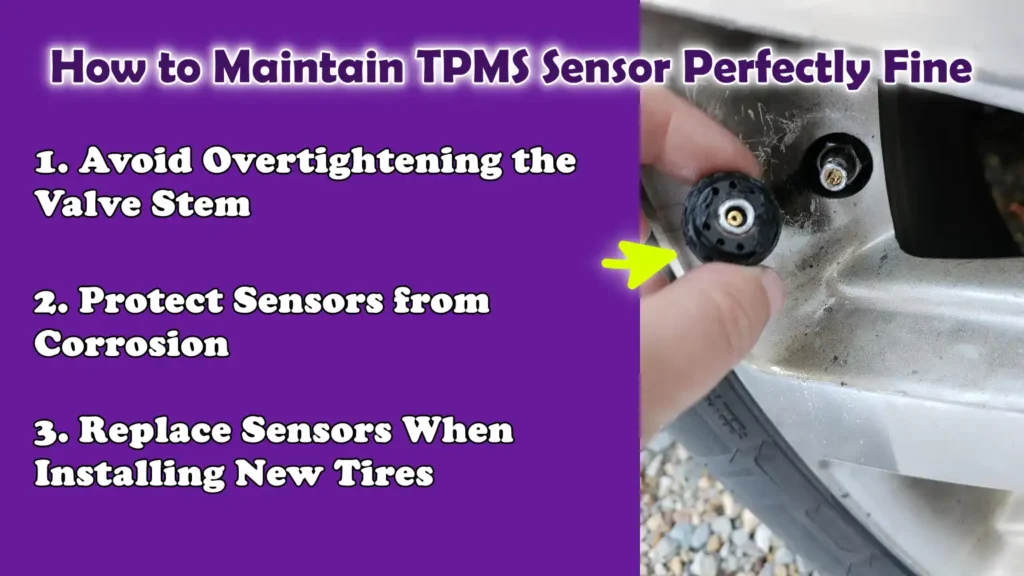
1. Avoid Overtightening the Valve Stem
When installing or replacing TPMS sensors, it is crucial to avoid overtightening the valve stem.
Excessive torque (tightening force) can damage the sensor, the valve stem, or even the wheel itself.
Sensors are designed to be securely fastened, but they must be tightened strictly within the torque limits specified by the manufacturer.
Using a torque wrench to tighten sensors according to the specified specifications ensures proper installation, prevents leaks and avoids unnecessary wear and tear that could shorten the sensor’s lifespan.
2. Protect Sensors from Corrosion
TPMS sensors are exposed to moisture, road salt and dirt inside the tire and on the wheel rim.
Over time, this exposure can lead to corrosion on the sensor or its metal components, potentially compromising its ability to transmit accurate pressure readings.
Regularly inspecting and cleaning the sensors and valve stems during tire maintenance or rotation helps prevent corrosion.
Ensuring that sensors remain dry and protected from environmental damage significantly enhances their reliability and longevity.
3. Replace Sensors When Installing New Tires
TPMS sensors have a limited battery life, typically ranging from 5 to 10 years, depending on driving conditions.
When you have new tires installed, it is often advisable to replace the sensors at the same time, even if they appear to be functioning correctly.
Replacing the sensors in advance prevents sudden sensor failure, ensures accurate pressure monitoring right from the start and helps avoid issues such as a warning light illuminating on the dashboard shortly after the tires are installed.
This approach keeps the vehicle safe, maintains optimal tire performance and provides the driver with peace of mind.
Read More:
- How to Reset TPMS Light
- How to Fix Traction Control Light
- How to Reset ABS Warning Light
- How to Fix Central Locking Not Working
- How to Fix Power Windows Not Working
- How to Fix a Blown Fuse in a Car
- How to Fix Car Electrical Problems
Estimated, Cost and Time Considerations
Understanding the cost and time involved in replacing TPMS sensors helps vehicle owners make informed decisions and better plan their vehicle maintenance.
Costs can depend on several factors, such as the type of sensor, whether the replacement is performed at a shop or at home and the specific vehicle model.
It is also crucial to know how much time the task will take to ensure the work is completed safely and without haste, thereby minimizing the margin for error.
1. Average Cost of TPMS Sensors
The cost of a single TPMS sensor typically ranges from $30 to $70 (for standard aftermarket sensors), while OEM (Original Equipment Manufacturer) sensors can cost between $70 and $150.
Prices may vary depending on the vehicle model, sensor type and supplier.
If new sensors need to be installed in all four tires, the total cost can rise quickly; therefore, it is essential to budget for this in advance.
If you are performing the work at home, you may also need to account for additional expenses such as: sensor programming or purchasing a TPMS scan tool.
2. Professional Mechanic vs DIY Replacement
Having a professional mechanic replace your TPMS sensors ensures that the sensors are installed correctly and properly programmed; however, this entails paying labor charges, which can range from $50 to $150 depending on the service center.
If you replace the sensors yourself (DIY) using the right tools and knowledge, you can save on labor costs and maintain full control over the entire process.
However, when performing a DIY replacement, you must pay close attention to specific details, such as torque specifications, proper tire deflation procedures and sensor programming.
Understanding these two options allows vehicle owners to determine whether saving money is their primary priority, or if they place greater value on convenience and safety.
3. Estimated Time Required for Sensor Replacement
Replacing TPMS sensors, when performed by an experienced technician or a well-prepared individual, typically takes between 30 and 60 minutes per tire.
The actual time required depends on several factors, such as the type of sensor, the ease of replacement and whether the system requires programming or recalibration.
By allowing for a little extra time when replacing sensors for the first time, you can avoid rushing; this ensures that the sensor is installed correctly and allows you to perform a thorough check to verify that the TPMS system is functioning properly.
Conclusion – How to Replace a TPMS Sensor
Now, you have clearly understood the importance of having well-maintained and correctly working TPMS sensors as it literally necessary to protect your vehicle’s tire condition and safety as well.
TPMS sensors play a pivotal role in alerting drivers to under- or over-inflated tires, preventing uneven tire wear, enhancing fuel economy and mitigating the risk of tire blowouts.
By understanding the various types of TPMS sensors, including their functionality, lifespan and proper installation procedures, drivers can confidently replace them themselves or effectively oversee the work of professional service providers.
Regular maintenance of these sensors, including careful installation and timely replacement, ensures that your vehicle’s tire monitoring system remains accurate and reliable.
Following the detailed steps, precautions and troubleshooting advice outlined in this guide will help you maintain safe driving conditions, preserve the health of your tires and avoid unexpected expenses associated with sensor failure or tire damage.
So, that’s it from this guide on How to Replace a TPMS Sensor, if you still have question then comment down below this guide.
Frequently Asked Questions
FAQ 1: What is a TPMS sensor and why is it important?
A TPMS sensor or Tire Pressure Monitoring System sensor, which is a small device installed inside each tire that measures air pressure. It transmits this information to your car’s dashboard so that you can be alerted if the tire pressure becomes too low or too high. This is crucial because under-inflated or over-inflated tires can reduce fuel efficiency, cause uneven tire wear and increase the risk of accidents such as tire blowouts. Properly functioning TPMS sensors help ensure your driving safety, extend the lifespan of your tires and improve your vehicle’s overall performance.
FAQ 2: How do I know if my TPMS sensor is failing?
You may notice several clear signs indicating that your TPMS sensor is failing. The most obvious sign is that the TPMS warning light on your dashboard remains continuously illuminated or flashes, even when your tires are properly inflated. Other signs include receiving inaccurate tire pressure readings, sudden alerts that do not correspond to the actual condition of the tires, or the system failing to detect a specific tire altogether. Sometimes, sensors fail silently without any obvious warning, particularly if the sensor’s internal battery has died, that makes it essential to have them checked when installing new tires or during routine maintenance.
FAQ 3: Can I replace a TPMS sensor myself?
Yes, you can replace a TPMS sensor yourself, provided you have the right tools, observe safety precautions and carefully follow step-by-step instructions. The necessary tools typically include a TPMS sensor replacement kit, a torque wrench, tire irons, a jack and jack stands, a valve core tool and optionally a TPMS scan tool to reset or program the sensor. It is crucial to park the vehicle on a level surface, wear safety gloves and goggles, safely deflate the tire and ensure that the sensor is installed and tightened strictly in accordance with the manufacturer’s specifications. If performed correctly, replacing the sensor yourself is a safe procedure that also helps save on labor costs.
FAQ 4: How long does a TPMS sensor last?
TPMS sensors typically last between five and ten years. Their lifespan depends on driving conditions, battery life, exposure to extreme temperatures and the frequency with which tires are rotated or replaced. In regions where roads are exposed to high levels of salt or moisture, sensors may fail prematurely due to corrosion or accelerated battery depletion. Regular inspections and proactively replacing sensors when installing new tires, as it can prevent sudden failures and ensure accurate tire pressure monitoring.
FAQ 5: Why is my TPMS light still on after replacing the sensor?
If the TPMS light remains illuminated after replacing a sensor, it usually indicates that the system has not been properly reset or programmed. It could also mean that the sensor was installed incorrectly or that the new sensor is incompatible with your vehicle. Using a TPMS scan tool to program or activate the new sensor or following the specific reset procedure outlined by your vehicle’s manufacturer typically resolves this issue. Proper installation, correct orientation and programming are essential for the system to recognize the new sensor and display accurate tire pressure readings.
FAQ 6: What should I do if my TPMS sensor is not being detected?
If a sensor is not being detected, it may be incompatible, installed incorrectly, or have a low battery. It is also possible that a lack of communication between the sensor and the vehicle’s ECU is occurring due to electronic interference or faulty wiring. Solutions for this include verifying the sensor type and orientation, ensuring it is installed correctly and tightened to the proper torque specifications and using a TPMS scan tool to activate or program the sensor. If the issue persists, it often becomes necessary to replace the sensor with a compatible unit to restore the system’s proper functionality.
FAQ 7: Can new TPMS sensors also provide inaccurate tire pressure readings?
Yes, inaccurate readings can occur even with new sensors if they are not installed correctly, if the sensor is loose, or if environmental factors are affecting the sensor. Extreme heat or cold can cause temporary fluctuations in tire pressure, potentially leading to incorrect readings. After replacing a sensor, ensuring proper installation, applying the correct torque and recalibrating the system helps guarantee consistent and accurate reporting of tire pressure.
References:
[1] A Comprehensive Study on Technologies of Tyre Monitoring Systems and Possible Energy Solutions
https://pmc.ncbi.nlm.nih.gov/articles/PMC4118398/
Hello Folks, Dean Shali here to help you out to solve the problems with your lovely vehicle, as i have lots of experience and knowledge about automotive industry as i woks directly with the customers and repair vehicles and i love to help the people to keep their cars safe and running smoothly.