Written By: Dean Shali
Fact Checked By: Sabré Cook
Reviewed By: Tamara Warren
The abnormal overheating engine comes with many hidden concerns that literally have potential to become a dangerous looking problems.
As, whenever the car overheats: that clearly means that engine temperature rises above the normal range, which is often happens due to the issues such as: low coolant levels, a faulty radiator, broken hoses or there’s could be possibility of malfunctioning thermostat as well.
Just check, if your vehicle is overheating because of the rising temperature gauge, steam coming from under the hood, if you sense any strange smells and reduce the performance, if any of these symptoms is available then you need to be more cautious about solving this issue as quickly as possible, as that’s the only way to prevent sudden breakdowns during midway of somewhere.
Literally, if you just ignore these symptoms then it can cause some serious engine damage such as: blown out head gasket, warped cylinder heads or even you can see complete engine failure as well, which is again very costly to be repaired later on.
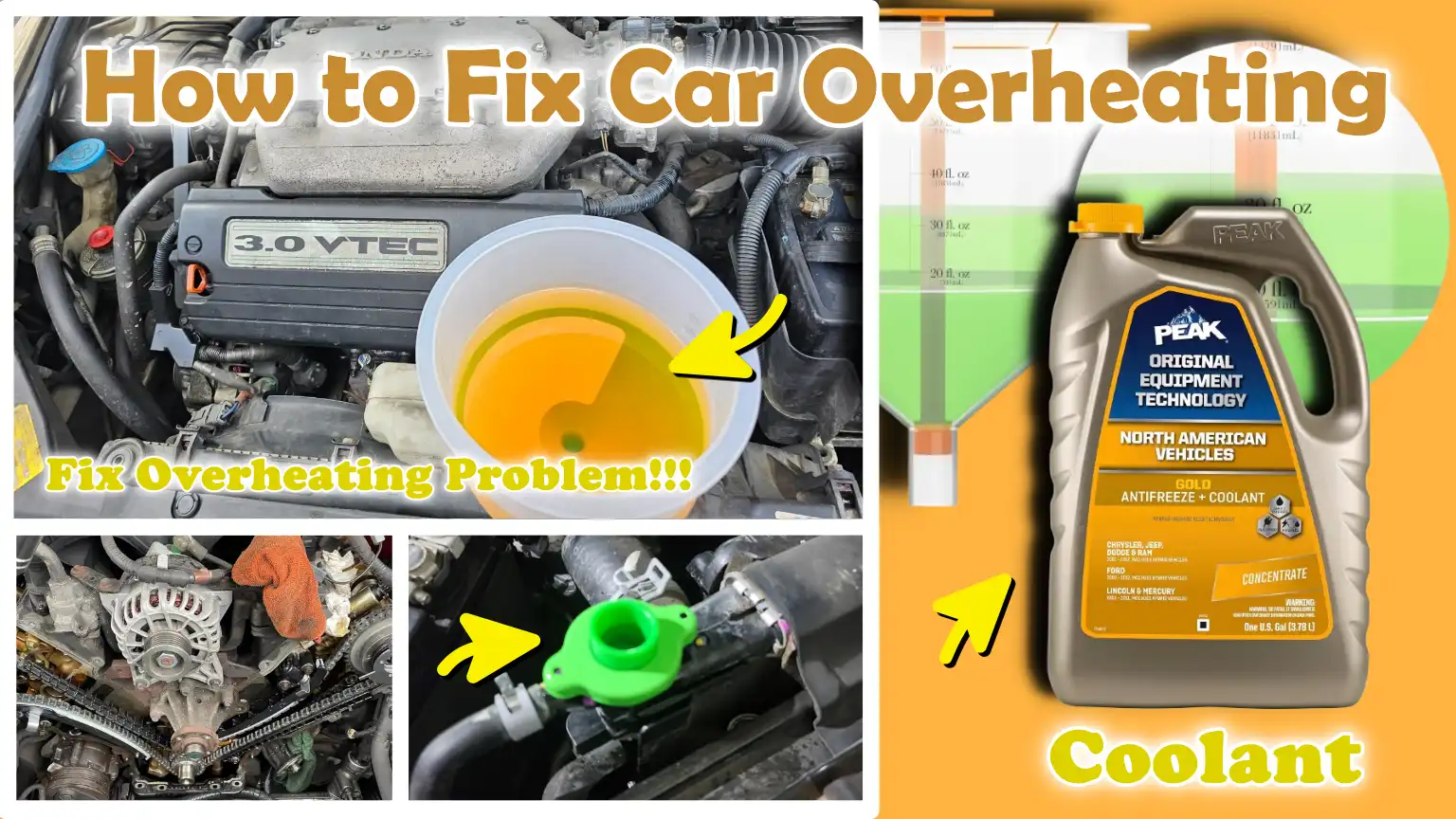
That’s why, we have come up with this guide about How to Fix Car Overheating, so that you can easily identify the exact cause and apply the necessary treatment to completely eliminate those overheating issues for further future as well.
Let’s Now, Understand About The Car Overheating
A car overheats when the engine generates more heat than the cooling system can manage, causing the temperature to rise beyond safe limits.
Every vehicle’s engine is designed to operate within a specific temperature range, where fuel burns efficiently and components function smoothly.
The cooling system, comprising coolant, a radiator, a thermostat, a water pump, hoses and fans, works continuously to regulate this heat.
When any component of this system malfunctions or becomes less effective, heat begins to accumulate inside the engine.
Understanding overheating is crucial, as it enables drivers to recognize early warning signs and take immediate action before the issue causes severe damage to the engine.
1. What Does “Overheating” Mean?
Overheating signifies that the engine’s temperature has risen above its normal operating range, typically exceeding 100°C, reaching a level where it can begin to inflict damage upon the engine’s internal components.
During normal operation, the engine generates heat through the combustion of fuel; this heat is regulated by circulating coolant through the engine and the radiator.
When this process is disrupted, the temperature rises rapidly.
Drivers may observe various signs, such as the temperature gauge needle moving into the “red zone,” warning lights illuminating on the dashboard, steam rising from beneath the bonnet, or a burning odor.
In many instances, the engine’s power output may also diminish, or it may fail to function properly, as excessive heat adversely affects the combustion process and the synchronized movement of engine components.
2. Common Causes of Overheating
Low Coolant Level or Leaks
A low coolant level is one of the most common causes of overheating, as coolant is the very substance responsible for absorbing heat from the engine and dissipating it.
When the coolant level drops, whether due to a leak or improper maintenance, the system is unable to effectively dissipate heat.
Leaks can occur in the hoses, the radiator, or their connections; over time, even a minor leak can lead to serious overheating issues.
Faulty Radiator or Radiator Cap
The radiator plays a crucial role in the cooling process, as it absorbs heat from the coolant and releases it into the air.
If the radiator is clogged, damaged, or obstructed by dust and debris, it cannot properly cool the fluid.
The radiator cap is equally important, as it maintains the necessary pressure within the cooling system.
If the cap fails, the coolant begins to boil at a lower temperature, leading to overheating problems.
Faulty Water Pump
The function of the water pump is to circulate coolant throughout the engine and the radiator.
If the pump fails or weakens, the coolant will not flow properly, causing the engine temperature to rise rapidly.
Symptoms of a faulty water pump may include coolant leaking from the area surrounding the pump or the emission of strange noises from the engine.
Faulty Thermostat
The thermostat regulates the flow of coolant through the engine based on temperature.
If it becomes stuck in the closed position, the coolant cannot circulate, causing the engine to overheat rapidly.
This is a common issue that can lead to a sudden and drastic spike in temperature, even if the rest of the cooling system is functioning correctly.
Clogged or Damaged Hoses
The function of hoses is to transport coolant between the various components of the cooling system.
If these hoses become clogged, cracked, or collapsed, they can obstruct the flow of coolant.
This obstruction prevents heat from dissipating effectively and can cause the engine to overheat rapidly, particularly during long-distance driving.
Cooling Fan Failure
Cooling fans assist in cooling the coolant by drawing air through the radiator, specially when the vehicle is moving slowly or is stuck in traffic.
If the fans cease to function due to an electrical issue or a motor failure, the radiator is unable to dissipate heat properly, leading to a rise in engine temperature.
The Impact of Oil-Related Issues on Engine Cooling
Engine oil not only lubricates the engine’s moving parts but also helps to reduce the heat generated by friction.
If the oil level is low, or if the oil has become old and contaminated, internal engine friction increases, generating excessive heat.
This additional heat can cause the engine to overheat, particularly when the vehicle is being operated under a heavy load.
External Factors
External conditions can also increase the likelihood of engine overheating, even if the vehicle is in good mechanical condition.
Driving in extreme heat, ascending steep inclines, hauling heavy cargo, or towing a trailer, all these situations place additional strain on the engine.
Under these circumstances, the cooling system is forced to work harder; consequently, even a minor deficiency within the system can result in the engine overheating.
3. The Dangers of Ignoring Overheating
Engine Damage
When overheating is ignored, excessive temperatures can cause severe damage to engine components.
Metal parts such as: the cylinder head, can warp due to extreme heat, leading to compromised seals and reduced engine performance.
One of the most serious consequences is a blown head gasket, which allows coolant and oil to mix, causing internal engine damage.
Transmission Damage
In some vehicles, particularly those equipped with automatic transmissions, overheating can also adversely affect the transmission system.
Rising engine temperatures can cause the transmission fluid to overheat, thereby reducing its ability to lubricate and protect internal components.
Over time, this can lead to premature wear or failure of the transmission.
Safety Hazards
Overheating can create dangerous situations for both the driver and passengers.
The vehicle may suddenly break down in the middle of traffic, significantly increasing the risk of accidents.
In severe cases, excessive heat can lead to fluid leaks or even pose a fire hazard.
Taking overheating seriously and addressing the issue immediately helps ensure the safety of both the vehicle and the driver.
Know, What to Do Immediately When Your Car Overheats
When your car overheats, it signifies that the engine temperature has exceeded safe limits and immediate action is required to prevent severe damage.
If the engine continues to overheat, it can sustain damage very quickly, primarily due to the thermal expansion of metal components and the breakdown of lubrication.
Acting quickly and correctly can help lower the temperature, protect engine components and ensure your own safety.
In this situation, our objective is to reduce the engine’s heat, prevent further strain on the engine and avoid any unsafe actions that could result in personal injury.
1. Safe Steps to Take
Turn off the AC and turn on the heater to reduce the load on the engine.
When the engine overheats, it is crucial to turn off the air conditioning (AC), as the AC system places an additional load on the engine, generating even more heat.
Furthermore, turning on the heater helps draw heat away from the engine and dissipate it into the car’s interior (cabin).
While this may cause some discomfort, it is an effective method for slightly lowering the engine temperature.
This measure can help prevent the engine from overheating further while you are looking for a safe place to pull over.
Pull over to a safe location and turn off the engine.
As soon as you notice any signs of engine overheating such as: the temperature gauge reaching the upper limit of its range or steam rising from the engine, you must immediately and safely pull your vehicle over to the side of the road.
Continuing to drive while the engine is overheating can cause severe engine damage within just a few minutes.
Turning off the engine halts heat generation and allows the engine to begin cooling down naturally, a critical step in ensuring the engine’s longevity and safety.
Do Not Open the Radiator Cap When the Engine Is Hot (Risk of Burns)
When the engine is hot, the radiator cap must never be opened, this is absolutely critical, because the cooling system is under extremely high pressure at that time.
Hot coolant can suddenly and violently surge outward, creating a severe risk of burns.
Before opening the cap of the radiator or the coolant reservoir (where coolant is stored), always wait until the engine has completely cooled down so that you can safely check the coolant level.
2. Short-Term Measures
Wait for the Engine to Cool Down
After turning off the engine, you must allow sufficient time for it to cool down completely.
Depending on weather conditions, this typically takes at least 20 to 30 minutes.
As the engine cools, the internal pressure decreases, making it safe to inspect the engine.
Attempting to perform repairs while the engine is still hot can be dangerous, and may even exacerbate the problem.
Add Coolant or Water (Only When the Engine Is Cool)
Once the engine has cooled down, check the coolant level in the reservoir or radiator.
If the level is low, adding the correct coolant restores the system’s ability to absorb and dissipate heat.
In an emergency, clean water may be used as a temporary measure; however, this is not a permanent solution, as it does not provide the same level of protection as proper coolant.
You should add the correct coolant as soon as possible.
Check for Any Leaks or Damaged Hoses
Once the engine has cooled down, inspect the engine compartment for any visible issues such as: fluid leaks, cracked hoses, or loose connections.
Leaks are a common cause of engine overheating, as they result in a drop in coolant levels.
Faulty hoses can obstruct or slow down the flow of coolant, causing the temperature to rise rapidly.
Timely identification of these issues will help you pinpoint their root cause and prevent the problem from recurring.
How to Identify the Problem Exactly
Accurately pinpointing the root cause of an overheating issue is crucial, as it allows you to address the actual source of the problem rather than merely making guesses or replacing parts unnecessarily.
A car’s cooling system and engine work in tandem to regulate temperature; therefore, even a minor malfunction in a single component can trigger an overheating problem.
A comprehensive inspection helps determine whether the issue stems from low coolant levels, poor coolant circulation, obstructions in the airflow path, or internal engine damage.
By individually examining each component, you can understand how heat is accumulating and take the appropriate steps to rectify the situation.
Proper diagnosis not only saves time and money but also prevents further damage to the engine.
1. Inspecting the Cooling System
Check Coolant Level and Quality
The coolant level should always remain within the specified range, as it is the coolant that absorbs heat from the engine and dissipates it.
If the coolant level is low, the system cannot effectively dissipate heat, leading to overheating issues.
Checking the quality of the coolant is equally important, as old or degraded coolant loses its ability to regulate temperature and may contain rust or debris.
Good coolant typically appears in bright colors such as: green, orange, or pink, whereas degraded coolant may appear brown or cloudy, indicating that it needs to be replaced.
Check the Radiator, Hoses and Connections for Leaks or Damage
To ensure proper coolant circulation, it is essential that the radiator, hoses and their connections are in good condition.
Any cracks, loose clamps, or worn-out hoses can cause coolant leaks, which can severely compromise the system’s efficiency.
Even minor leaks can gradually deplete the coolant level and, over time, lead to overheating issues.
You should also inspect the radiator for any blockages or external debris, as these can hinder the proper dissipation of heat.
Keeping these components clean and properly sealed ensures that the cooling system continues to operate without obstruction.
Check the Water Pump for Signs of Wear or Leaks
The water pump plays a crucial role in circulating coolant between the engine and the radiator.
If the pump is worn out or defective, the coolant will not flow properly, causing the engine temperature to rise rapidly.
Symptoms of a faulty water pump include coolant leaks around the pump, unusual noises, or visible signs of corrosion.
A properly functioning pump ensures a continuous flow of coolant, which is essential for maintaining a stable engine temperature.
Ensure That the Radiator Fans Are Functioning Correctly
Radiator fans assist in cooling the coolant by drawing air through the radiator, particularly when the vehicle is not moving fast enough to generate sufficient airflow on its own.
If the fans are not operating, heat will not dissipate effectively, leading to an increase in engine temperature.
You can verify their functionality by observing whether the fans switch on when the engine heats up or when the air conditioning (AC) is activated.
Faulty fans, wiring issues, or blown fuses can all interfere with the proper operation of the fans and cause the engine to overheat.
2. Inspecting Engine Components
Check the Thermostat
The thermostat regulates the flow of coolant based on the engine’s temperature.
When the engine is cold, the thermostat remains closed to allow the engine to warm up quickly; Once the engine reaches its optimal operating temperature, the thermostat opens to allow coolant to circulate through the engine.
If the thermostat gets stuck in the closed position, coolant flow is halted, causing the engine to overheat very rapidly.
Checking or replacing a faulty thermostat is often a simple and effective way to resolve engine overheating issues.
Check the Engine Oil Level and Condition
Engine oil helps reduce friction between the engine’s moving parts and also absorbs heat to some extent.
If the oil level is low, or if the oil has become old and dirty, friction increases, generating excessive heat within the engine.
This excess heat can cause the engine to overheat.
Clean engine oil typically appears smooth and slightly translucent, whereas dirty oil looks dark and thick, a clear indication that it is time for a change.
Maintaining the correct level and quality of engine oil is crucial for keeping the engine cool and ensuring its overall health.
Watch for Symptoms of a Blown Head Gasket (Milky Oil, White Smoke)
A blown head gasket is one of the most serious causes of engine overheating and can result in severe engine damage.
This issue causes coolant and engine oil to mix, compromising the engine’s ability to lubricate and cool itself effectively.
Common symptoms include the oil appearing milky or creamy, white smoke emitting from the exhaust (tailpipe) and a persistent drop in coolant levels.
How to Fix Overheating Issues – Quick & Easy Way
To resolve an overheating problem in a car, it is essential to first identify the root cause and then apply the appropriate solution based on that specific issue.
Some overheating problems are relatively simple and can be fixed at home using basic tools and a little caution, while others involve complex engine components that require the assistance of a professional mechanic.
The cooling system functions as an integrated unit; therefore, even a minor malfunction within it can compromise the entire system’s ability to regulate temperature.
Taking the right steps at the right time restores engine cooling efficiency, improves performance and helps prevent major damage.
It is always crucial to adhere to safety protocols such as: working on the engine only after it has cooled down, and to use only the specific parts and fluids recommended for your vehicle.
1. Do-It-Yourself Solutions
Adding or Replacing Coolant
Coolant is vital for regulating engine temperature, as it absorbs the heat generated by the engine and dissipates it.
If the coolant level is low, simply adding the correct type of coolant can often resolve minor overheating issues.
Over time, coolant can degrade and lose its effectiveness; therefore, flushing out old coolant and replacing it with fresh fluid improves heat transfer efficiency and protects the engine from corrosion.
Maintaining the correct level and quality of coolant is the simplest and most effective way to prevent overheating.
Flushing and Refilling the Radiator
Flushing the radiator removes accumulated old coolant, rust and debris, substances that can obstruct coolant flow and reduce cooling efficiency.
When dirt or debris accumulates inside the radiator, it obstructs proper heat exchange, causing the engine to overheat.
After flushing, refilling the radiator with fresh coolant restores proper flow and improves cooling performance.
This procedure is particularly beneficial for older vehicles that have not undergone regular maintenance.
Replacing a Faulty Radiator Cap
Although the radiator cap may seem like a minor component, it plays a crucial role in maintaining pressure within the cooling system.
This pressure elevates the boiling point of the coolant, enabling it to absorb the engine’s excess heat without boiling over.
If the radiator cap is defective or worn out, coolant may leak or boil prematurely, leading to engine overheating.
Replacing a faulty cap is a simple and inexpensive measure that can significantly enhance the vehicle’s overall performance.
Cleaning Debris from Radiator Fins
The radiator requires adequate airflow to dissipate heat from the coolant; however, dirt, dust, insects, or debris lodged within the radiator fins can impede this airflow.
When airflow is restricted, the radiator is unable to cool the fluid effectively, resulting in a rise in engine temperature.
Carefully cleaning the fins restores proper airflow and enhances the radiator’s heat-dissipation capacity, particularly in hot weather or dusty environments.
Inspecting and Replacing Hoses
Hoses transport coolant between the engine, the radiator and other components; therefore, it is essential that they remain in good condition to ensure proper coolant circulation.
Over time, exposure to heat and pressure can cause hoses to weaken, crack, or swell.
A damaged hose can leak coolant or rupture entirely, thereby halting the flow of coolant and causing the engine to overheat.
Regularly inspecting hoses and replacing any damaged ones ensures a consistent flow of coolant and helps prevent sudden mechanical breakdowns.
Replacing a Faulty Thermostat
The thermostat regulates the flow of coolant within the engine based on temperature.
If it gets stuck in the closed position, coolant cannot circulate and the engine will overheat very rapidly.
Replacing a faulty thermostat restores proper coolant flow and maintains a consistent engine temperature.
This is a common repair that is typically inexpensive; nevertheless, the thermostat plays a crucial role within the cooling system.
2. When Professional Assistance Is Required
Replacing the Water Pump
The water pump is responsible for circulating coolant throughout the entire cooling system; if it fails, coolant cannot circulate properly.
Replacing a water pump can be a somewhat complex task, as it often requires removing other engine components and ensuring that everything is installed and sealed correctly.
If there are signs of coolant leakage from the pump, if it is emitting strange noises, or if it is not functioning correctly, it is best to have it repaired by a professional to ensure proper installation and prevent future complications.
Head Gasket Repair
A faulty head gasket is a serious engine issue that occurs when the seal between the engine block and the cylinder head fails.
This can allow coolant and oil to mix, potentially resulting in compromised cooling and lubrication.
Repairing a head gasket requires disassembling the engine, inspecting internal components and replacing the damaged gasket, a complex and time-consuming process.
Professional expertise is essential to ensure that the engine repair is executed correctly and safely.
Radiator Replacement
If a radiator is severely damaged, clogged beyond the point of being salvageable through cleaning, or suffering from excessive leaks, it may require complete replacement.
Installing a new radiator involves draining the cooling system, detaching hoses and ensuring proper fitting and sealing.
A correctly installed radiator restores the system’s ability to efficiently dissipate heat; however, improper installation can lead to leaks or poor performance, making it advisable to seek professional assistance.
Complex Cooling System Repairs
Some overheating issues involve multiple components of the cooling system or stem from hidden internal problems such as: internal blockages, electrical faults in the cooling fans, or malfunctioning sensors.
Accurately identifying and resolving these issues requires advanced tools and diagnostic expertise.
Professional mechanics can pinpoint the exact cause of the problem and implement the correct solution by conducting detailed inspections, pressure tests and system diagnostics, thereby ensuring that the engine continues to operate at the correct temperature without the risk of further damage.
How to Prevent Overheating in the Future
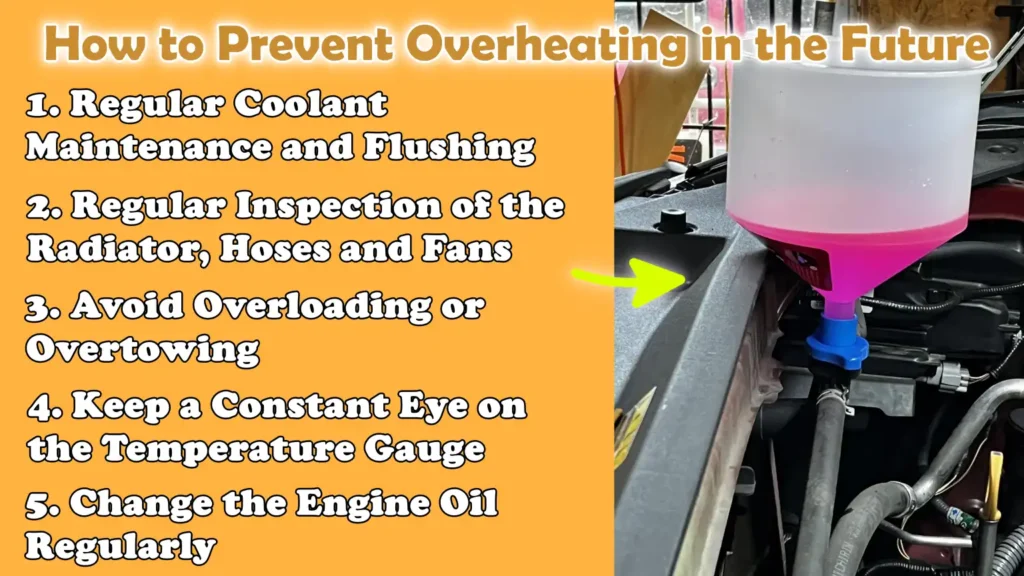
Preventing overheating is much easier, and less expensive, than repairing an engine after it breaks down.
A well-maintained cooling system can keep the engine running at optimal temperatures and without trouble for years to come.
Overheating usually occurs gradually, due to wear, low fluid levels, or neglected maintenance, which means it can be prevented by regular inspections and timely servicing.
By understanding how the cooling system works and paying attention to small warning signs, drivers can avoid unexpected breakdowns, costly repairs and unsafe driving conditions.
A few simple habits, like checking fluid levels, inspecting parts and driving carefully in difficult conditions, can make a big difference in keeping the engine cool and reliable.
Even, there’s study that explains that why you need to maintain the radiator and use the correct coolant is really important to prevent any overheating problems, as efficient heat transfer actually ensures that the engine operates within the safe temperature limits, that then reduces the wear and improves the overall performance that’s why its necessary to make sure about the coolant level checks.[¹]
1. Regular Coolant Maintenance and Flushing
Coolant plays a vital role in controlling engine temperature and its condition directly impacts the cooling system’s efficiency.
Over time, coolant’s ability to absorb heat and prevent corrosion diminishes specially when dirt and rust accumulate within the system.
Regularly checking the coolant level and changing the fluid on schedule helps maintain proper heat exchange and prevent internal blockages.
Flushing the system removes old fluid and debris, allowing fresh coolant to circulate freely and maintain stable engine temperatures.
2. Regular Inspection of the Radiator, Hoses and Fans
The radiator, hoses and cooling fans work together to ensure effective cooling; therefore, regular inspection of these components is crucial.
The radiator must be clean and free of any dirt or debris that could obstruct airflow; Additionally, hoses should be checked for signs of wear, such as cracks, leaks, or softening due to wear.
The cooling fan should operate at the correct temperature and operate without any unusual noises.
Early detection of minor problems such as: loose connections or minor leaks, can prevent them from developing into major overheating problems.
3. Avoid Overloading or Overtowing
Loading more than the vehicle’s capacity, or towing excessive weight, puts excessive strain on the engine, resulting in overheating.
When the engine has to work harder than normal, the cooling system also has to work harder to maintain temperature.
When driving in hot weather or on steep inclines, this additional pressure can easily cause the engine to overheat.
Driving within its rated limits and avoiding unnecessary overloading helps reduce engine stress; This ensures that the cooling system continues to function properly.
4. Keep a Constant Eye on the Temperature Gauge
The temperature gauge on the dashboard is one of the most important components to prevent engine overheating.
It provides instant information about the engine’s operating temperature, allowing drivers to detect any sudden changes in temperature in time.
If the gauge exceeds the normal range, it is a warning sign that there may be a malfunction in the cooling system.
Paying attention to this gauge and taking immediate action can prevent minor problems from turning into major engine damage.
5. Change the Engine Oil Regularly
Engine oil helps reduce friction between moving parts and dissipates some of the heat generated within the engine.
Over time, oil deteriorates and its effectiveness decreases, increasing friction and causing heat buildup.
Regular oil changes ensure smooth engine operation and proper temperature control.
Clean oil also protects engine parts from wear and tear, improving overall engine health and reducing the risk of overheating.
Read More:
- How to Replace Shocks and Struts
- How to Diagnose Wheel Bearing Noise
- How to Reduce Road Noise in a Car
- How to Rotate Car Tires
- How to Fix Suspension Noise
Conclusion – How to Fix Car Overheating
If your engine is overheating for any reason then it is the clear sign rather a warning, as you need to pay immediate attention and do something to care it properly.
The engine relies on a properly functioning cooling system to maintain a safe operating temperature and even minor malfunctions such as: low coolant levels, a faulty radiator cap, or damaged hoses, can disrupt this delicate balance.
By recognizing early warning signs such as: a rising temperature gauge, escaping steam, or unusual odors, you can take immediate steps before the problem causes major damage to the engine.
Taking prompt action such as: reducing the load on the engine, safely pulling over to the side of the road and allowing the engine to cool down, can help you avoid expensive repair bills and stay safe on the road.
Furthermore, accurate diagnosis is crucial for effectively resolving overheating issues.
By carefully checking coolant levels, inspecting components and understanding the operation of parts like the thermostat and water pump, you can pinpoint the true root cause of the problem rather than merely guessing.
Simple remedies such as: flushing the coolant, cleaning the radiator, or repairing hoses, often resolve the issue, while more serious problems may require professional assistance.
Now, that’s it from this guide about How to Fix Car Overheating, so you can now ask unsolved queries below.
Frequently Asked Questions
FAQ 1: Why do cars often overheat?
The most common reason for a car overheating is a low coolant level, as coolant is the fluid responsible for absorbing heat from the engine and dissipating it. When there isn’t enough coolant, the engine cannot cool itself effectively. Other common causes include leaks in the hoses or radiator, a faulty thermostat that restricts coolant flow, a broken water pump that halts circulation, or a malfunctioning cooling fan. In many cases, overheating isn’t caused by a single major failure, but rather by the combined effect of several minor issues occurring simultaneously.
FAQ 2: Is it safe to drive an overheating car?
Driving an overheating car is unsafe and should be avoided whenever possible. When the engine temperature rises excessively, internal components can expand and deteriorate rapidly. Driving even for a short period in this condition can lead to severe problems, such as a blown head gasket or complete engine failure. If your car begins to overheat, the best course of action is to pull over to a safe location, turn off the engine and allow it to cool down before taking any further steps.
FAQ 3: How long should I wait before opening the hood after the car has overheated?
You should wait at least 20 to 30 minutes before opening the hood after your car has overheated. This allows sufficient time for the engine to cool down and for the pressure within the cooling system to subside. Opening the hood and specially the radiator cap, too soon can be dangerous, as hot coolant may spray out and cause burns. Always ensure that the engine is cool to the touch before attempting to inspect anything.
FAQ 4: Can a low engine oil level cause overheating?
Yes, a low engine oil level can lead to overheating. Engine oil helps reduce friction between moving parts and also dissipates some of the heat generated during operation. When the oil level is low or when the oil becomes old and dirty, friction increases, generating excessive heat inside the engine. This excess heat can place undue strain on the cooling system and cause overheating, particularly during long journeys or periods of heavy use.
FAQ 5: What are the early signs of an overheating engine?
Early symptoms of an overheating engine typically include the temperature gauge on the dashboard rising, warning lights illuminating and sometimes a burning smell. In more severe cases, you may observe steam rising from under the hood or notice a distinct loss of engine power. These symptoms should never be ignored, as they indicate that the engine is overheating and requires immediate attention.
FAQ 6: Can I use water instead of coolant in an emergency?
Yes, if coolant is unavailable, you can use clean water as a temporary measure; however, this is not recommended for long-term use. In an emergency, water can help lower the engine temperature, but it does not provide the same level of protection as coolant. Coolant possesses specific properties that prevent corrosion, raise the boiling point and help dissipate heat more effectively. You should drain the water from the system and refill it with the correct coolant as soon as possible.
FAQ 7: How can I tell if my thermostat is faulty?
A faulty thermostat often causes the engine to overheat suddenly, as it can get stuck in the closed position, thereby blocking the flow of coolant. If your car overheats almost immediately after starting, or if the temperature spikes suddenly without any prior warning, the issue likely lies with the thermostat itself. In some instances, the heater may also stop functioning correctly because the coolant is not circulating properly within the system.
FAQ 8: What happens if I ignore an overheating car?
Ignoring an overheating car can lead to severe engine damage. Excessive temperatures can cause metal components to warp, seals to degrade and the head gasket to fail. When the head gasket fails, coolant and oil can mix together, resulting in reduced lubrication and causing even greater damage to the engine. In very severe cases, the engine may be completely ruined and require replacement, a process that is extremely expensive.
FAQ 9: How often should I check my coolant level?
It is a good practice to check your coolant level at least once every few weeks, or before embarking on a long journey. Regular checks allow you to detect coolant leaks or low levels early on, thereby preventing engine overheating issues. The coolant reservoir typically features “minimum” and “maximum” markings, making it easy to determine whether the coolant level falls within the correct range. Always check the coolant level when the engine is cool.
References:
[1] Analysis of radiator with different working fluids as coolants
https://www.sciencedirect.com/science/article/abs/pii/S2214785323014414
Hello Folks, Dean Shali here to help you out to solve the problems with your lovely vehicle, as i have lots of experience and knowledge about automotive industry as i woks directly with the customers and repair vehicles and i love to help the people to keep their cars safe and running smoothly.