Written By: Dean Shali
Fact Checked By: Sabré Cook
Reviewed By: Tamara Warren
There can be the reasons behind the squeaky story of your brake; as it can be caused by the thin pads, glazed rotors or trapped dust that is waiting to be free in the world.
Because it is about the brakes, then it is automatically becomes safety problem as well, as no matter what you need to keep the brakes in the top condition; whether you wanted to go for the short drive or planning a vacation with your sweet family.
Along with this, brake squeaks is actually very commonly issue found in the vehicle; something like a high-pitched noise that occurs whenever you press that damn brake pedal.
So, if the issue is something like: your vehicle’s brake pads are running out of shape, rotors are glazed, there’s trapped dust, moisture or even if there’s loose hardware then you need to act quickly and fix it no matter the time it takes.
Additionally, there’s automotive experts that says that nearly 70% of the brake noise issues are actually caused by the pad and rotor conditions, while other if often linked to the improper lubrication or low-quality components as well.
Always Remember This: Don’t Ignore This Non-Threatening Squeak, as it can lead to reduced braking efficiency, uneven wear and potential safety hazards as well.
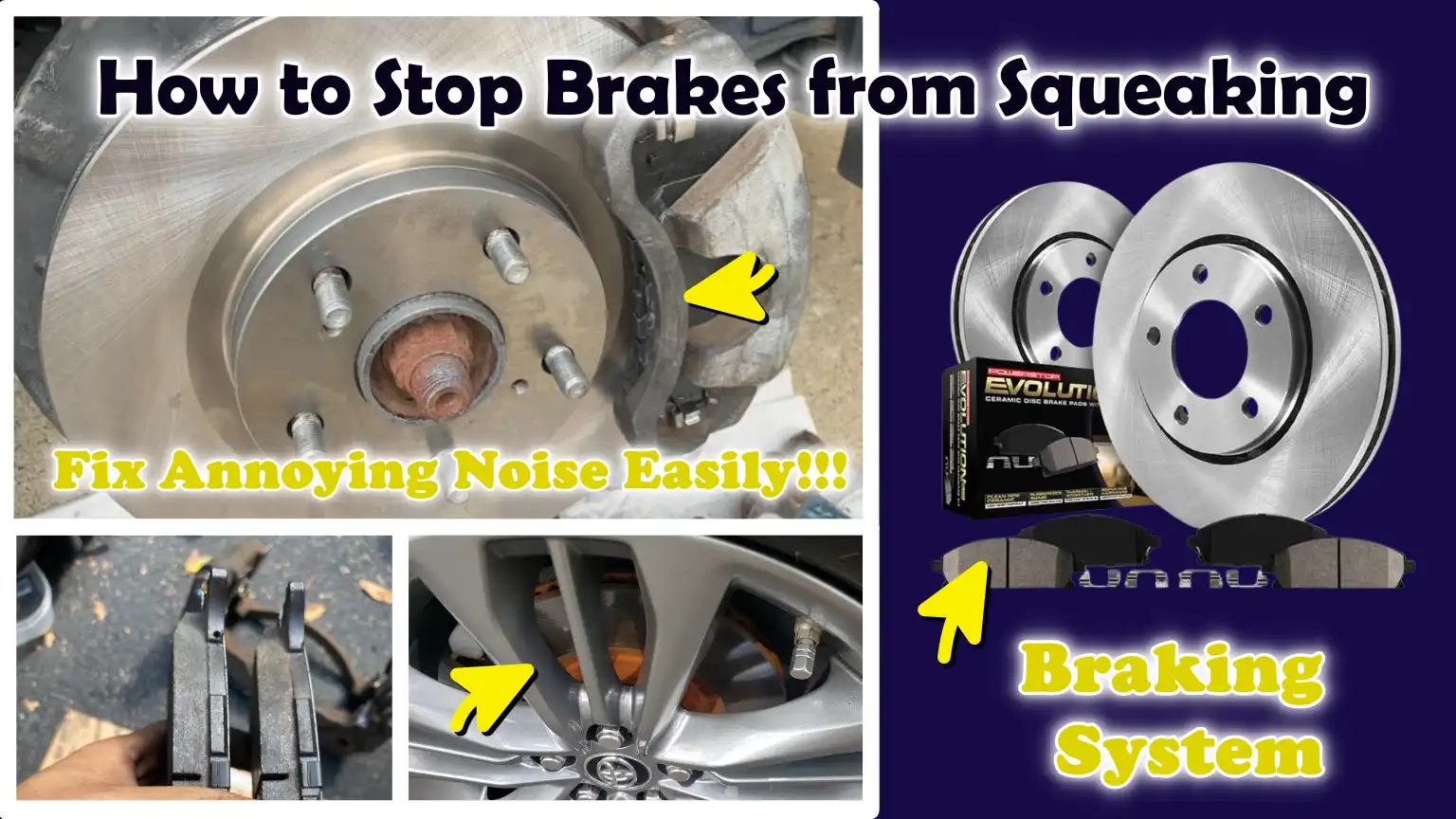
And, that’s why we have come up with this guide about How to Stop Brakes from Squeaking, so that you can easily inspect those brakes, learn to proper cleaning method, lubricate the parts and replace the worn out components as well.
Now, Let’s Understand Everything About Brake Squealing
Brake squealing is one of the most common sounds drivers hear in a vehicle and it typically occurs when the braking system makes a loud noise during normal operation.
The braking system works by pressing brake pads against a rotating metal disc called a rotor.
This friction slows the wheels and ultimately stops the car.
Because braking relies entirely on friction and pressure, even minor changes in the condition of brake components can cause noise.
In many cases, squealing isn’t immediately dangerous, but it’s often an early sign that something in the brake system needs attention.
Knowing what brake squealing means and what causes it helps drivers identify problems early, maintain proper braking performance and avoid more costly repairs later.
Once you understand how the system works and what different sounds indicate, it’s much easier to determine whether the sound is normal or a warning sign that the brakes need inspection or maintenance.
1. What is brake squeaking?
Brake squeaking is a sharp, high-pitched sound that occurs when you press the brake pedal and the brake pads apply pressure to the rotor to slow the vehicle.
This sound is usually caused by small vibrations between the brake pad, rotor and other brake components.
Modern brake pads are made of different materials, such as ceramic, semi-metallic, or organic compounds and each material can produce varying levels of noise depending on heat, pressure and driving conditions.
In many vehicles, manufacturers intentionally install a small metal indicator inside the brake pad that produces a squeaking sound when the pad is too thin.
This sound serves as a warning signal to drivers that brake pads are wearing out and should be replaced soon.
Because the braking system is constantly exposed to heat, pressure and friction, small squeaks can sometimes occur, specially when the brakes are cold or slightly wet.
2. Why It Happens?
Brake squeaking is usually caused by changes in friction or vibration between brake parts.
When brake pads apply pressure to the rotor, the surface must be clean, smooth and properly aligned for smooth operation.
If excessive heat causes a shine on the pads or rotor, the surface becomes smooth and hard, which can cause a squeaking noise when braking.
Dust from the brake pad material can also accumulate on the rotor surface, causing the pads to rub against it.
Rain, humidity, or moisture accumulated overnight can cause a thin layer of rust to form on the rotor, often causing a squeaking noise during the first few stops in the morning.
Another common cause is a lack of lubrication on brake hardware, such as caliper pins or backing plates, which can cause parts to vibrate slightly when braking.
Worn brake pads, rough rotor surfaces, or poor-quality brake materials can also increase the likelihood of squeaking because they don’t absorb vibration properly.
3. Safety Implications
Not every sign of brake squeaking indicates a serious problem, but it’s important to understand when to take the sound seriously.
A slight squealing sound during the first few stops of the day is often harmless and usually disappears once the brakes warm up and the rotor surface becomes clean again.
However, a persistent squealing sound every time the brakes are applied could indicate worn brake pads, a glazed rotor, or improper installation of brake components.
If the noise becomes louder or changes to a grinding or scraping sound, it could mean the brake pads are completely worn down and the metal backing plate is coming into contact with the rotor.
This condition can significantly reduce braking efficiency and cause costly rotor damage.
Regular brake inspections help drivers distinguish between normal, temporary squeaking noises and warning signs of mechanical problems.
By quickly repairing squeaking noises, drivers can maintain safe braking performance, extend the life of brake components and prevent more serious problems in the braking system.
What are The Common Causes of Brake Squeal
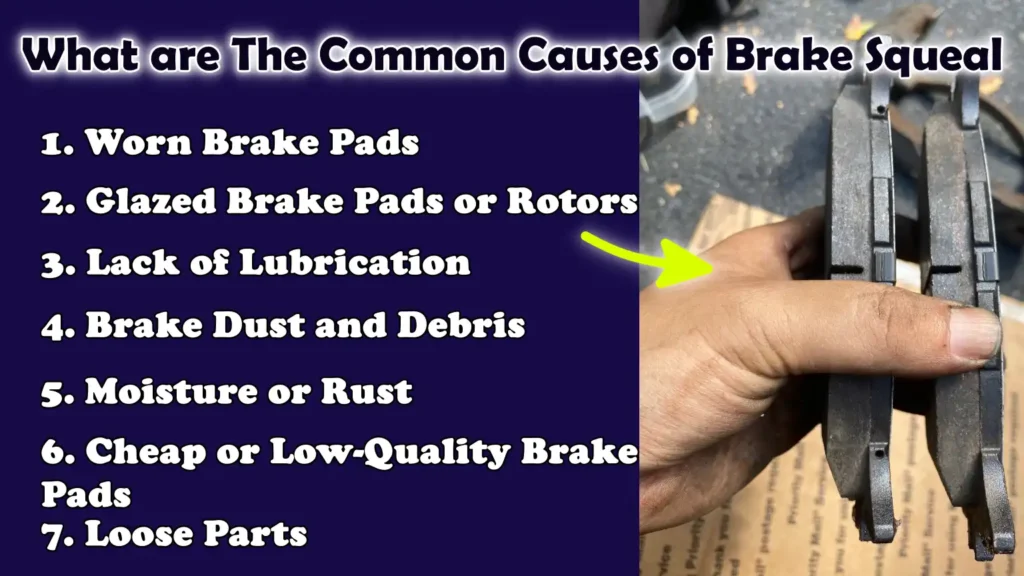
Squealing brakes typically occur when one or more parts of the braking system fail.
A car’s braking system consists of several components, including brake pads, rotors, calipers, clips and lubrication points.
Proper braking requires all of these components to function properly.
When any of these components become worn, dirty, overheated, or improperly installed, the brake pads exert pressure on the rotor, causing small vibrations.
These vibrations create a loud noise that many drivers hear when slowing or stopping their vehicle.
In most cases, the noise isn’t immediately dangerous, but it often indicates that something in the brake system needs to be cleaned, adjusted, or replaced.
Understanding the common causes of brake noise can help drivers identify the underlying problem, fix it promptly and prevent further wear and tear on other brake components or costly damage.
1. Worn Brake Pads
Brake pads wear out over time because they are designed to create friction against the rotor to slow the vehicle.
Every time you press the brake pedal, a little bit of the pad material is worn away.
After thousands of braking cycles, the pads become thinner and less effective.
Most brake pads are about 10 to 12 millimeters thick and mechanics typically recommend replacing them when they reach about 3 millimeters.
When pads become too thin, they can’t absorb vibration properly, which can cause a squeaking noise when braking.
Many brake pads also have a built-in metal wear indicator that deliberately makes a squeaking noise when the pads become too thin.
This noise serves as an early warning that the pads need to be replaced soon.
Even uneven wear can also cause noise because the pads aren’t applying consistent pressure to the rotor surface.
2. Glazed Brake Pads or Rotors
Excessive heat can cause brake pads and rotors to become glazed.
This often occurs during hard braking, frequent driving on inclines, or in heavy traffic where the brakes are constantly being used.
When brake parts overheat, the friction surface may become very smooth and hard, rather than slightly rough.
This smooth surface reduces the pad’s ability to grip the rotor properly and can cause vibrations during braking.
These vibrations often cause squeaking or grinding noises.
Glazing also reduces braking efficiency because the friction between the pad and rotor becomes less effective.
In some cases, restoring proper braking performance and eliminating noise may require resurfacing the rotor surface or replacing the brake pads.
3. Lack of Lubrication
Many small parts of the brake system require proper lubrication to function properly and prevent vibrations.
Parts like the caliper guide pins, brake pad backing plates and anti-rattle shims are designed to move or twist slightly when the brakes are applied.
If these parts are dry or not properly greased, they can cause slight movement or vibration, resulting in squeaking noises.
Special high-temperature brake grease is typically applied to these areas during brake service.
This lubricant helps reduce friction between the metal parts and prevents them from vibrating when the brakes are used.
Without proper lubrication, even new brake pads can make squeaking noises because the surrounding hardware is not functioning properly.
4. Brake Dust and Debris
Brake pads gradually release tiny particles of dust each time they come into contact with the rotor.
This dust is a common result of friction and is usually visible as black marks on the wheels.
However, when excessive brake dust accumulates on the rotor or inside the caliper area, it can interfere with smooth contact between the brake pad and the rotor surface.
Dirt, road debris, or even small particles of sand can become trapped between these parts.
When this happens, the pad may vibrate slightly against the rotor when the brakes are applied, causing a squeaking sound.
Regular cleaning of brake components during maintenance helps remove dust and debris and keeps the braking system running smoothly.
5. Moisture or Rust
Moisture is another common cause of brake squeaking, specially when the car has been parked overnight.
When moisture, rain, or dew accumulates on the metal rotor surface, a very thin layer of rust can form within a few hours.
This light rust is usually harmless and disappears quickly after a few normal braking sessions, as the brake pads quickly remove it.
However, during the first few stops, the uneven surface may cause a slight squealing or grinding sound.
This is why many drivers hear brake noise when driving in the morning.
In most cases, the sound disappears after several stops and the rotors are cleaned again.
6. Cheap or Low-Quality Brake Pads
The material used to make brake pads significantly impacts braking performance and noise levels.
High-quality brake pads are designed with a special compound that absorbs vibration and reduces braking noise.
Cheap brake pads often use lower-quality materials that don’t control vibration as well.
These inferior materials can also produce more brake dust and wear faster.
Because they lack proper vibration-reducing features, low-quality brake pads are more likely to produce squeaking or grinding noises, even if they are fairly new.
Choosing high-quality brake pads designed for your specific vehicle can significantly reduce brake noise and improve overall braking performance.
7. Loose Parts
The brake system contains several small pieces of hardware that help keep the brake pads and caliper properly aligned.
These parts include clips, retaining springs, mounting bolts and anti-rattle hardware.
If any of these parts are loose, worn, or improperly installed, the brake system components may move slightly when the brakes are applied.
Even slight excessive movement can cause vibrations that produce a squeaking noise.
For example, loose caliper bolts or worn anti-rattle clips can cause the brake pads to slip slightly when braking.
Ensuring that all brake hardware is properly installed and tightened during maintenance is essential to preventing unwanted brake noise and maintaining stable braking performance.
How to Find the Actual Cause In Your Vehicle
Before attempting any repairs, it’s crucial to determine the source of your brake noise, as different problems require different solutions.
The noise could be caused by worn brake pads, dirty rotors, loose hardware, moisture, or other mechanical issues in the braking system.
If the underlying cause isn’t properly identified, the noise may persist even after non-essential parts have been replaced.
The braking system operates on friction between the brake pads and rotors and when a part becomes worn, dirty, misaligned, or overheated, small vibrations can occur, causing noise.
A proper diagnosis can help determine whether the noise is temporary and harmless, or whether it’s a sign that maintenance or replacement is needed.
By carefully inspecting brake components, noting when the noise is occurring and identifying the root cause, drivers can understand the condition of their braking system and take appropriate steps to restore quiet and safe braking performance.
1. Visual Inspection of Pads and Rotors
The most effective way to diagnose brake noise is to carefully visually inspect the brake pads and rotors.
Brake pads are the components that apply pressure to the rotor to slow the vehicle and they wear down over time due to constant friction.
When inspecting pads, it’s important to check their thickness.
Most new brake pads are approximately 10 to 12 millimeters thick and they should be replaced when they wear down to approximately 3 millimeters.
Pads that are too thin can cause a squeaking noise because they don’t absorb vibration properly.
The rotor should also be carefully inspected, as its surface must be smooth and uniform for proper braking.
If the rotor shows dark marks, discoloration from heat, or a shiny, hardened surface called glazing, this could be the cause of the brake noise.
The inspection may also reveal debris such as grease, brake dust, or dirt that can interfere with smooth braking.
2. Listen for Squeaking
Another important step in detecting brake squeaking is to listen carefully while driving to determine when the noise actually occurs.
The timing of the sound often indicates the cause of the problem.
If the squealing noise only occurs when the brake pedal is pressed, it could mean the brake pads or rotors are worn, glazed, or damaged.
If the noise occurs when you release the brake pedal after stopping, it could be due to the caliper moving or mild vibration in the brake hardware.
Some vehicles may experience squealing noises even with light braking, but the sound diminishes with hard braking because the pressure on the pads changes the way they interact with the rotor surface.
Observing whether the squealing noise occurs constantly, occasionally, or only in certain conditions, such as cold or wet weather, can help determine whether the problem is related to moisture, rust, worn parts, or improper lubrication.
3. Checking for Uneven Wear or Glass
Brake pads and rotors should wear evenly over time, but in some situations, their surfaces may become uneven, causing squealing.
Uneven wear can occur when the caliper doesn’t apply even pressure or the brake pads don’t slide smoothly in their mounting brackets.
When a pad wears more on one side than the other, it can vibrate and produce a squeaking sound when the brakes are applied.
Another problem to watch out for is glazing, which occurs when brake parts overheat.
Excessive heat can harden the surface of the brake pad or rotor, creating a smooth, shiny layer that reduces friction.
This hardened surface can cause the pad to slide slightly instead of gripping the rotor properly, causing squeaking noises.
Identifying glazing or uneven wear during inspection can help determine whether the brake pads should be replaced or the rotor should be resurfaced or cleaned.
4. Identifying the Specific Wheels Making the Noise
Another important step in diagnosing the problem is identifying which wheel is making the squeaking noise.
A vehicle typically has four brake assemblies and the noise could be coming from only one of them.
By listening carefully while driving slowly and applying the brakes gently, it’s sometimes possible to determine whether the noise is coming from the front or rear of the vehicle.
In most cars, the front brakes typically handle about seventy percent of the braking force, which means they wear out faster and are more likely to make noise.
If the squeaking noise increases when you turn slightly to one side, it could indicate that the noise is coming from another wheel.
Correctly identifying the wheel where the noise is coming from allows the inspection to focus on that specific brake assembly, making it easier to identify worn pads, loose parts, or contamination that may be causing the noise.
Correctly identifying the cause of the squeaking ensures the correct repair is performed and prevents unnecessary replacement of other brake parts.
How to Stop Brakes from Squeaking – Beginners Guide
To prevent brake noise, it’s important to understand the condition of each component of the braking system and follow the correct maintenance or repair procedures.
Brake noise is usually caused by vibration, dirt, worn parts, or improper installation.
Because brakes rely on friction between the brake pads and rotors to slow the vehicle, even minor issues like dust buildup, uneven wear, or loose hardware can cause a loud squealing noise.
If the problem is detected early, fixing brake noise often doesn’t require complex repairs.
In many cases, cleaning components, replacing worn parts, applying proper lubrication and ensuring all hardware is installed correctly can restore quiet braking performance.
Following the correct repair steps also extends the life of brake components and improves overall driving safety.
By carefully understanding each solution, vehicle owners can identify the root cause of the noise and maintain smooth, reliable braking.
1. Clean the Brakes
Cleaning the brake system is the easiest and most effective way to reduce brake noise.
During normal braking, brake pads gradually release small particles that become brake dust.
This dust can accumulate around the rotor, caliper and brake pad surfaces.
When too much dust accumulates, it can interfere with the smooth contact between the pad and rotor, causing vibration and noise.
Cleaning the brakes with a specialized brake cleaner helps remove dust, grease and dirt trapped between parts.
A soft brush can be used carefully to loosen stubborn dirt, preventing damage to the parts.
Brake cleaner is designed to evaporate quickly and leave no residue, making it safe for brake parts.
Keeping brake parts clean improves friction contact and helps maintain quiet and consistent braking performance.
2. Check and replace worn pads
Brake pads are designed to wear over time as they slow the vehicle by creating friction against the rotor.
As the pad material wears down, it loses its ability to absorb vibrations and maintain smooth contact with the rotor surface.
When brake pads become too thin, they often make squeaking noises, which is an early warning that they need to be replaced.
Most new brake pads are about ten to twelve millimeters thick and mechanics typically recommend replacing them when they reach about three millimeters thick.
Pads should also be replaced if they are not worn properly, have cracks, or are covered in oil or grease, as these conditions can cause noise and reduce braking performance.
Installing new pads that meet manufacturer specifications ensures optimal braking performance and helps eliminate squeaking noises caused by worn friction material.
3. Resurface or Replace Rotors
Brake rotors play a crucial role in braking performance because they provide the surface on which the brake pads apply pressure to stop the vehicle.
Over time, excessive heat can cause grooves, rough surfaces, or glazing in the rotors.
A shiny rotor surface becomes smooth and hard, reducing friction during braking and causing squeaking noises.
If the rotor surface appears slightly rough or shiny, it can be resurfaced using a machining process.
This involves removing a thin layer of metal to make the surface smooth and uniform.
However, if the rotor has deep grooves, cracks, or is worn below the manufacturer’s recommended thickness, it is usually safer to replace it.
Proper rotor condition ensures that the brake pads make even contact, reducing vibration and noise.
4. Lubricate Essential Parts
Many parts of the braking system require proper lubrication to function properly and prevent vibration.
Parts like the caliper guide pin, brake pad backing plate and anti-rattle shim allow the brake pads to move slightly when pressure is applied.
Without lubrication, these metal parts can rub against each other, causing slight vibration and squeaking noises.
High-temperature brake grease is specifically designed for this purpose because it can withstand the heat generated during braking.
Applying a small amount of this grease to the right areas helps reduce friction between moving metal parts and suppress unnecessary vibrations.
Proper lubrication also ensures that the brake pads move smoothly within the caliper bracket, resulting in consistent braking and reduced noise.
5. Tighten Loose Hardware
The brake system contains various hardware that holds the parts firmly in place.
These parts include mounting bolts, caliper brackets, retaining clips and anti-rattle springs.
Loose or worn parts can cause slight movement in the braking system when the brakes are applied.
Even slight movement can cause vibration between the brake pads and rotors, resulting in a squeaking noise.
Ensuring that all brake hardware is properly and securely installed is an important step in eliminating brake noise.
During brake maintenance, mechanics carefully inspect each bolt and clip to ensure they are in the correct position and tightened to the specified torque specifications.
Secure hardware keeps brake components stable and prevents vibrations that can cause unwanted noise.
6. Upgrade Brake Pads
The type and quality of brake pads used on a vehicle can significantly impact braking noise and performance.
Some low-quality brake pads are made of materials that do not absorb vibration well, making them more likely to produce a squeaking noise.
Upgrading to higher-quality brake pads can reduce noise and improve braking performance.
Ceramic brake pads are generally known for producing less noise and less brake dust than other pad types.
Semi-metallic pads are also widely used because they offer strong braking performance and durability, although they may produce slightly more dust.
Choosing brake pads specifically designed for your vehicle’s braking system ensures proper fit and performance.
High-quality materials often have noise-canceling features that help reduce noise.
7. Break-in New Brakes Properly
Properly breaking in new brake pads and rotors is an important step that many drivers overlook.
When new brake components are installed, the pad and rotor surfaces must gradually adjust to each other to form a uniform layer of friction material.
This process is commonly referred to as bedding or break-in.
During the bedding process, the driver makes several controlled stops at medium speeds to allow the brake components to gradually warm up and ensure even transfer of pad material to the rotor surface.
This creates a uniform friction layer, improving braking performance and reducing vibration.
If new brakes are not broken-in properly, the material transfer may be uneven, causing noise or vibration.
Following the bedding process specified by the brake manufacturer ensures smooth, quiet braking and long part life.
How to Maintain and Prevent Brakes from Squeaking In Future
Preventing brake noise is much easier and cheaper than repairing faulty brake parts after a problem occurs.
A vehicle’s braking system operates under constant stress as it converts vehicle speed into heat through friction.
Every time the brake pedal is pressed, the brake pads stick to the rotor, slowing the wheels and this process creates heat, dust and gradual wear of the parts.
If the braking system isn’t properly maintained, minor issues like dust buildup, worn pads, or dry hardware can cause vibrations that lead to noise.
Simple preventative measures can significantly reduce the likelihood of brake noise and extend the life of brake parts.
Regular inspections, gentle driving habits, proper cleaning and the use of quality parts all contribute to smooth and quiet braking performance.
Understanding how to properly care for your braking system helps drivers maintain safety, avoid unexpected repairs and keep their vehicle running reliably for a long time.
Additionally, there’s engineering studies that shows that the brake squeal is typically a high-frequency noise above 1 kHz, which is caused by the complex interactions between the brake pad surfaces and rotor vibrations, so these studies actually shows that the small changes in the pad surface and texture of the rotor condition can strongly affects whether it will squeal or not, that’s why it becomes really important to have proper brake cleaning routine, resurfacing and maintaining them can significantly reduce the unwanted brake noise as well.[¹]
1. Regular Maintenance Schedule
Following a regular maintenance schedule is one of the most effective ways to prevent brake noise and maintain safe braking performance.
Brake components gradually wear out due to constant friction, heat and exposure to road debris.
For most vehicles, mechanics recommend a brake inspection every 10,000 to 15,000 kilometers, or during regular services like tire rotations or oil changes.
During the inspection, brake pad thickness is checked, rotor condition is assessed and calipers and hardware are inspected for wear.
The brake fluid level and hydraulic system condition are also checked, as proper hydraulic pressure is essential for smooth braking.
Early detection of worn pads or faulty parts allows them to be replaced before they cause noise or reduce braking efficiency.
Regular inspections also ensure that all brake parts are properly installed and functioning properly.
2. Avoid Hard Braking and Overheating
Driving habits significantly impact the condition of brake components and the likelihood of brake noise.
Frequent hard braking, sudden stops and high-speed driving can generate excessive heat in the braking system.
When brake pads and rotors overheat, their surfaces can become shiny, meaning they develop a hard, slick layer that reduces friction efficiency.
The shiny surface can cause vibrations between the pads and rotors, often resulting in a squealing noise when braking.
Excessive heat can cause uneven wear of brake components and reduce their lifespan.
Adopting good driving habits can help prevent these problems.
Slowing down gradually, maintaining a safe distance and avoiding sudden stops reduce stress on the braking system.
These habits help keep brake temperatures low and allow parts to wear evenly over time.
3. Keep Brake Parts Clean and Lubricated
Clean brake parts operate more quietly and efficiently than parts covered in dust or debris.
During normal braking, brake pads release fine particles that accumulate as brake dust on the rotor, caliper and surrounding areas.
Over time, this dust can accumulate and interfere with the smooth contact between the pad and rotor surface, causing a squeaking noise.
Dirt, sand, or small stones from the road can also get stuck between brake parts, increasing the noise.
Regular cleaning of the braking system during maintenance helps remove these debris and keeps parts functioning properly.
Proper lubrication of certain brake hardware is also essential.
Parts like the caliper guide pins and brake pad backing plates require a small amount of high-temperature brake grease for smooth, vibration-free operation.
Clean and well-lubricated parts reduce friction between metal parts and prevent unwanted brake noise.
4. Use high-quality brake pads suitable for your vehicle type
Choosing the right brake pads for your vehicle is crucial to preventing brake noise and maintaining consistent braking performance.
Brake pads are made from different materials, such as ceramic, semi-metallic and organic compounds and each type is designed to perform optimally in specific driving conditions.
High-quality brake pads are made with special materials and noise-reducing features that help absorb vibrations during braking.
Cheap or poorly manufactured pads may lack these features and are more likely to produce noise even when new.
Furthermore, poor-quality pads often wear out faster and produce more brake dust, which can reduce noise and performance.
Using brake pads that meet manufacturer specifications ensures a proper fit, optimal friction levels and reliable stopping power.
High-quality brake pads not only reduce noise but also improve braking efficiency and a smoother driving experience.
Read More:
When You Should Consult to the Mechanic
Brake noise can often be resolved with a basic inspection and simple maintenance, but there are some situations where professional help is needed.
The braking system is one of the most important safety systems in any vehicle, as it is responsible for slowing and safely stopping the car.
If a problem is ignored or repaired incorrectly, it can lead to serious safety risks, such as longer stopping distances or brake failure.
Professional mechanics have the proper training, diagnostic tools and equipment to identify complex brake problems that may not be easily detected during a basic inspection.
They can accurately measure brake pad thickness, check rotor condition, inspect the hydraulic system and ensure that every brake component is installed correctly according to manufacturer specifications.
Seeking professional help in a timely manner can prevent further damage, reduce repair costs and ensure a safe driving experience.
1. Persistent Brake Squealing Even After a DIY Fix
If brake noise persists even after cleaning the brakes, replacing worn pads, or lubricating the brake hardware, it may indicate a deeper mechanical problem that requires professional diagnosis.
Sometimes, noise can be caused by issues that aren’t easily detected, such as uneven rotor thickness, improperly positioned calipers, or improperly aligned brake components.
Professional technicians use specialized tools like brake micrometers and dial indicators to measure rotor thickness and detect defects in vibration-generating surfaces.
They can also check that the brake pads are properly seated and that the caliper pistons are moving smoothly.
Persistent noise can also be caused by compatibility issues between the brake pads and rotors, which professionals can identify and correct by selecting the correct replacement parts.
A professional inspection ensures that the root cause of the noise is identified and properly repaired.
2. Signs of Brake Failure or Abnormal Vibration
Abnormal vibration during braking is a sure sign of a malfunctioning braking system.
When drivers feel vibration in the steering wheel, brake pedal, or vehicle body while braking, it often indicates abnormal rotor surfaces or warped brake discs.
A warped rotor can occur when excessive heat causes the metal to expand and change shape unevenly.
This rough surface prevents the brake pads from making consistent contact with the rotor, causing vibration and reduced braking efficiency.
In some cases, vibration can also be caused by loose suspension parts or worn wheel bearings, which can affect braking stability.
Because these problems can affect vehicle control and stopping ability, they should be checked by a trained mechanic as soon as possible.
Professional technicians can locate the source of the vibration and recommend the correct repairs for safe braking.
3. Squeaking noises or reduced braking ability
Squeaking noises when braking usually indicate a serious problem that requires immediate professional attention.
This noise often occurs when the brake pads are completely worn out and the metal backing plate begins to rub against the rotor surface.
When this happens, the rotor can become severely damaged, creating deep grooves and reducing braking ability.
Driving with worn brakes not only increases repair costs but also significantly reduces the vehicle’s ability to stop safely.
Another warning sign that requires a professional inspection is reduced braking ability, which can manifest as longer stopping distances or the need to press the brake pedal harder than usual.
This can be caused by worn brake parts, worn brake pads, air in the brake lines, or problems with the brake fluid system.
Professional mechanics can inspect the entire braking system, replace faulty parts and restore proper braking performance to ensure your vehicle remains safe on the road.
Conclusion – How to Stop Brakes from Squeaking
Now, you have understood that the why quiet brakes are good as these are literally the sign of a healthy braking system, so just address them early if they starts to squeak hear and there and you’ll have truly efficient and reliable braking system throughout the journey.
Brake noise is one of the most common problems drivers notice, but it’s often a helpful signal rather than a mere nuisance.
A vehicle’s braking system is designed to create friction between the brake pads and rotors to safely slow the car.
Because these parts are constantly exposed to pressure, heat and wear, minor noises can occur over time.
In many cases, noises are caused by minor issues such as brake dust buildup, moisture on the rotor, worn brake pads, or lack of lubrication in moving parts.
Understanding these causes makes it much easier for drivers to identify problems early and implement the correct solutions before they become major mechanical issues.
Regular inspection of brake pads, rotors and hardware helps detect wear and damage before they impact braking performance.
Keeping brakes quiet and efficient also depends heavily on proper maintenance and responsible driving habits.
Keeping brake components clean, using high-quality brake pads designed for the vehicle and avoiding excessive heat from hard braking can greatly reduce the likelihood of brake noise.
Simple steps like cleaning up dust, applying the correct brake grease to critical parts, tightening hardware and replacing worn pads can often resolve the noise quickly and effectively.
These preventative measures not only eliminate unnecessary noise but also ensure reliable braking and extend the life of expensive parts like rotors and calipers.
So, that’s all from this guide on How to Stop Brakes from Squeaking, now you can ask related questions below.
Frequently Asked Questions
FAQ 1: Why do brakes make noise when braking?
Brake noise is usually caused by vibration between the brake pads and the brake rotor. The braking system works by pressing the brake pads against a rotating metal disc called a rotor to reduce vehicle speed. When surfaces are not perfectly smooth or under certain conditions, small vibrations can occur and produce a loud noise. This can be caused by worn brake pads, shiny rotors due to overheating, dust accumulating on the braking surfaces, or moisture from mild rust on the rotor overnight. Sometimes, noise is caused by dry brake hardware or poor-quality brake pads that cannot absorb vibration properly. In many cases, the noise is not dangerous, but it is a sign that the braking system needs inspection and maintenance to prevent future problems.
FAQ 2: Are brake noises dangerous?
Brake noise isn’t always dangerous, but it should never be ignored. In many cases, a squeaking sound is simply a warning that the brake pads are wearing out or that there’s dust or moisture on the rotor surface. Modern brake pads often have a small metal wear indicator that intentionally makes a squeaking sound when the pads are excessively worn. This sound alerts drivers that the brake pads need to be replaced soon. However, if the squeaking becomes persistent, louder, or develops into a grinding sound, it could be a sign of a serious problem, such as completely worn brake pads or worn rotors. These conditions can reduce braking performance and increase stopping distances. For safety reasons, any persistent brake noise should be investigated to identify the underlying cause before more serious damage occurs.
FAQ 3: Why do brakes creak in the morning?
Many drivers have noticed that their brakes creak during the first few stops in the morning. This usually happens because moisture in the air has formed a thin layer of rust on the rotor surface overnight. Brake rotors are made of metal and even a little moisture can cause slight rusting on the surface within a few hours. When the car starts moving and the brakes are applied, the brake pads scrape away this thin layer of rust. During this process, the rough surface may produce a momentary squeaking or grinding sound. This sound is usually harmless and disappears after a few normal braking sessions, when the rotor surface becomes clean again. If this noise persists throughout the day, it may indicate another problem, such as worn pads or faulty brake parts.
FAQ 4: How can I stop my brakes from squeaking?
Preventing brake squeaking usually involves identifying the cause of the noise and performing proper maintenance. The first step is to clean the brake components with brake cleaner to remove dust and dirt trapped between the pads and rotor. It’s also important to check the wear on the brake pads, as thin or rough pads often cause squeaking. If the pads are worn below the stated thickness, they should be replaced. The rotor should also be checked for grooves or glazing, which can cause vibrations when braking. Applying high-temperature brake grease to certain hardware parts, such as the caliper pins and backing plate, can reduce vibration and eliminate noise. Using good quality brake pads and following the correct installation and break-in procedures can also help reduce noise and improve overall braking performance.
FAQ 5: How long do brake pads typically last?
Brake pad life depends on driving habits, road conditions and the type of brake pad used. Typically, most passenger vehicle brake pads last 30,000 to 70,000 kilometers. Drivers who frequently drive in heavy traffic or apply hard brakes may experience faster wear due to increased braking. Highway driving generally results in longer brake pad life because the brakes are applied less frequently. The brake pad material also affects its life. Ceramic brake pads last longer and produce less noise, while semi-metallic pads offer good braking performance but can wear out faster. Regular brake inspections help assess the condition of the pads and ensure they are replaced before they become too thin.
References:
[1] Effects of Pad Surface Topography on Disc Brake Squeal
https://www.scientific.net/AMM.165.58
Hello Folks, Dean Shali here to help you out to solve the problems with your lovely vehicle, as i have lots of experience and knowledge about automotive industry as i woks directly with the customers and repair vehicles and i love to help the people to keep their cars safe and running smoothly.