Written By: Dean Shali
Fact Checked By: Sabré Cook
Reviewed By: Tamara Warren
Usually, if your car has been showing up with rotten egg smells days after days then it is the clear sign of having sulfer buildup, which is often linked to the malfunctioning catalytic converter or having contaminated fuel as well.
So, if you have noticed a strong rotten egg smell inside your car that just doesn’t go away no matter what, then you have to do something quick otherwise it can get worse from here.
Let’s talk about the most common causes such as: failing catalytic converter: which actually processes the harmful gases from the engine, contaminated or old fuel can be the culprit as well, mold or mildew buildup in the air vents and lastly sometimes even battery issues in hybrid or electric vehicle can cause this.
Don’t Ignore This: as it is not about convenience you can avoid sometimes but is the clear indication that can lead to reduced fuel efficiency, even it can damage engine components and affects your health as well.
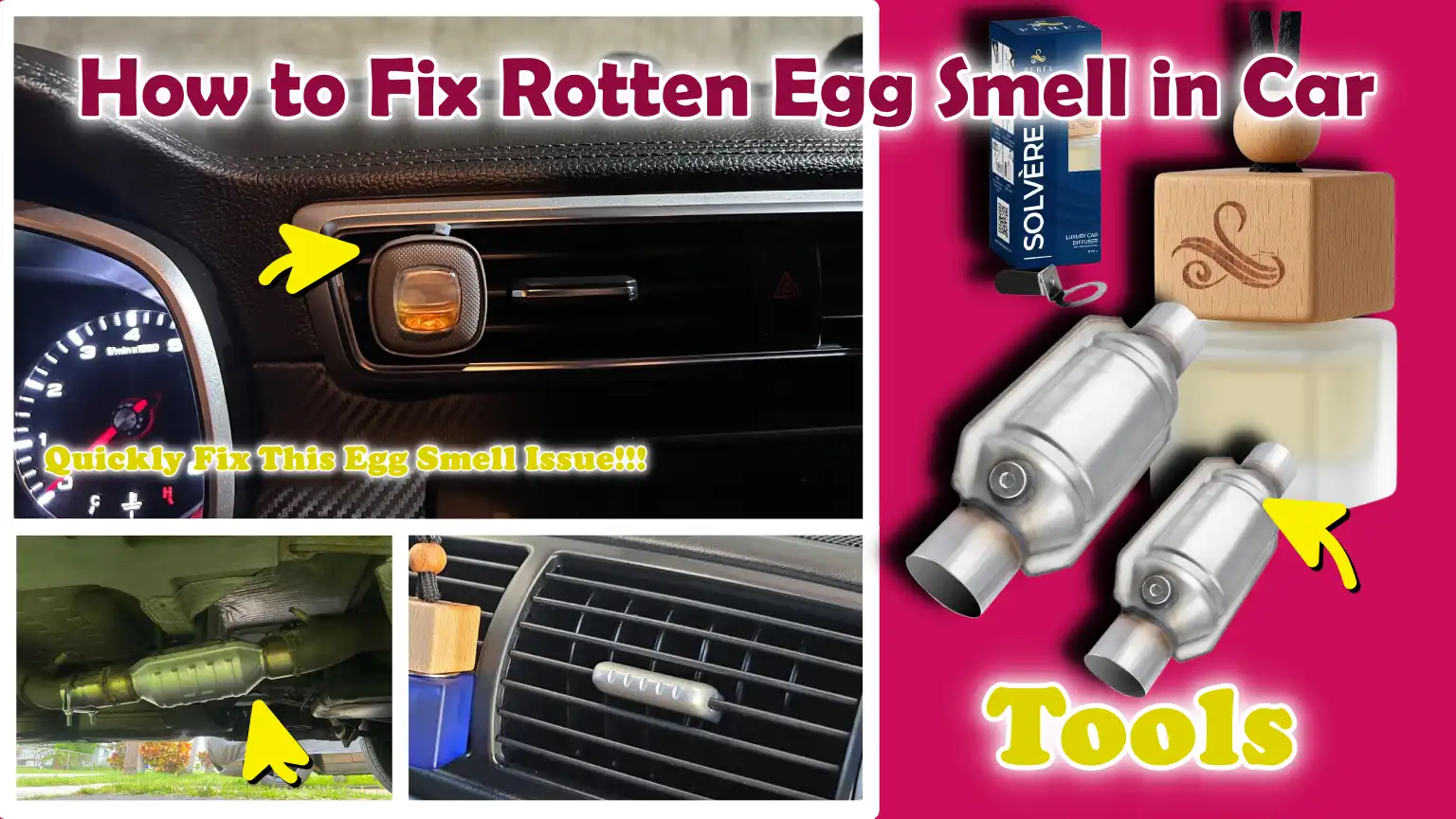
But, you can easily identify the clear source of causing this issue and learn to fix it in this guide about How to Fix Rotten Egg Smell in Car so that you can apply practical solutions and ultimately prevent it from coming back as well.
Now, Let’s Understand About the Rotten-Egg Smell
1. What This Smell Reveals About Your Car
A rotten-egg-like smell inside your car typically indicates the presence of sulfur or hydrogen sulfide gases.
These gases are generated when certain components of the vehicle are not functioning correctly.
This odor is not only unpleasant, but it also serves as a warning sign that something within your car’s engine, fuel system, or internal components requires attention.
If left unaddressed, this smell can lead to reduced fuel efficiency, engine damage, or even health issues resulting from prolonged exposure to these gases.
Identifying this odor in a timely manner allows you to take the necessary steps and avoid major, costly problems in the future.
2. A Faulty Catalytic Converter
One of the most common causes of a rotten-egg smell is a faulty catalytic converter.
The function of the catalytic converter is to convert harmful gases emitted by the engine (such as sulfur compounds) into less harmful substances before they exit through the exhaust system.
When the converter malfunctions or becomes clogged, it is unable to process these gases effectively; consequently, a strong, sulfur-like odor begins to emanate from the exhaust.
This can negatively impact engine performance, reduce fuel efficiency and even trigger the ‘Check Engine’ light.
Replacing or cleaning the catalytic converter typically resolves this issue.
3. Contaminated Fuel or Fuel Additives
Contaminated fuel or certain low-quality fuel additives can also generate a sulfur-like odor inside your car.
High-sulfur gasoline, or fuel that has remained unused for an extended period, can emit a rotten-egg-like odor, particularly when the vehicle is being refueled or when the engine overheats.
To avoid this issue, one should use high-quality fuel and refrain from excessive use of certain fuel additives.
Regularly replacing your fuel filter also helps maintain a clean fuel flow and minimizes odors.
4. Dead Animals or Mold in the Vents
Occasionally, a rotten-egg-like smell originates from inside the car rather than from the engine or fuel system.
Dead mice or birds trapped in the air vents or under the hood can generate a pungent, sulfur-like odor.
Similarly, the accumulation of mold or mildew within the air conditioning system or cabin air filter can trap moisture, leading to the emission of unpleasant odors over time.
Cleaning the HVAC system, replacing the cabin air filter and ensuring proper drainage of condensation from the AC unit can help eliminate these smells.
5. Battery-Related Issues – Specially in Electric or Hybrid Cars
In electric or hybrid vehicles, a rotten-egg-like smell can sometimes signal a problem with the battery.
Batteries contain sulfuric acid; if the battery overheats, leaks, or vents gases, a strong, sulfur-like odor can permeate the cabin.
This is not only unpleasant but can also pose a risk to your health.
Inspecting the battery for leaks, corrosion, or damage, and ensuring proper ventilation, as it can help prevent these odors and mitigate potential safety hazards.
6. Clogged or Dirty Evaporative Emission System
The evaporative emission system, which prevents fuel vapors from escaping into the atmosphere, as it can also become a source of sulfur-like odors if it becomes clogged or dirty.
When the charcoal canister or its associated hoses become contaminated, fuel vapors containing sulfur compounds can accumulate and permeate the cabin or the area surrounding the vehicle.
Cleaning or replacing the faulty components restores the system’s functionality and eliminates the odor.
Common Signs That You Are Smelling Sulfur/Rotten Eggs
1. When Does This Odor Occur?
A rotten-egg or sulfur-like smell in a car is typically perceived only under specific circumstances.
Many drivers notice it when the car is idling for an extended period such as: at a traffic light or while parked.
It may also be detected during acceleration, when the engine is working harder and expelling a larger volume of gases through the exhaust system.
Occasionally, the odor is strongest immediately after refueling, particularly if the fuel has a high sulfur content or if the fuel system is not properly sealed.
Identifying when the odor occurs is the first and most crucial step in pinpointing the root cause and preventing further damage.
2. The ‘Check Engine’ Light
A definitive indication that something is amiss arises when the ‘Check Engine’ light illuminates alongside the rotten-egg odor.
This light often signals that the catalytic converter, or another component of the emission control system, is malfunctioning.
Modern vehicles are equipped with sensors designed to detect unprocessed exhaust gases; when the levels of these gases exceed the normal threshold, the vehicle alerts the driver.
Ignoring both the odor and the ‘Check Engine’ light can lead to major mechanical issues, costly repairs and potential safety hazards.
3. Decreased Fuel Efficiency
Another indicator of the problem is a noticeable decline in fuel efficiency.
If the catalytic converter is not functioning correctly, or if there are impurities or contaminants within the fuel system, the engine may consume more fuel than usual.
This occurs because the engine is forced to work harder to compensate for incomplete combustion or a clogged exhaust system.
In addition to detecting a sulfur-like odor, monitoring your vehicle’s fuel consumption can provide crucial clues regarding the root cause of the problem and can also help you determine whether it is time to have the vehicle inspected by a specialist.
4. Smoke Emitting from the Exhaust
Along with the sulfur-like odor, you may also observe smoke emitting from the exhaust pipe.
This smoke may appear light yellow or brown in color, signaling that harmful gases are not being properly processed before exiting the engine.
Excessive smoke from the exhaust is not only an indication of a potential mechanical malfunction, but it can also contribute to environmental pollution and lead to violations of emissions regulations.
Addressing the underlying cause of the foul odor often resolves the issue of excessive smoke as well.
5. Visible Signs of Rust or Leaks
Finally, a rotten-egg-like odor can also stem from rust or leaks within the exhaust system, fuel system, or engine components.
Rusted pipes, leaking fuel lines, or faulty seals can allow sulfurous gases to seep into the vehicle’s cabin or escape into the surrounding environment.
Regularly checking for visible signs of rust, wear and tear, or fluid leaks is essential for early detection of problems and for preventing further mechanical damage or safety hazards.
How to Do Diagnosis of Rotten Egg Smell in Car
1. Inspect the Catalytic Converter
A faulty catalytic converter is one of the most common reasons for a rotten-egg-like odor in cars; therefore, it is crucial to inspect this component carefully.
First, perform a visual inspection of the converter’s body to look for obvious signs of damage such as: cracks, rust, or discoloration.
These visible issues may indicate that the converter is not functioning correctly.
Listen for Rattling Sounds
Another method for identifying a failing catalytic converter is to listen for unusual noises.
With the engine turned off and the car cooled down, gently tap or shake the converter to determine if there is any rattling sound coming from within.
A rattling sound may indicate that internal components have broken apart or come loose, thereby reducing the converter’s ability to process harmful gases and allowing sulfur-like odors to escape.
Professional Diagnostic Tools
For a more precise diagnosis, the use of professional diagnostic tools is highly recommended.
Mechanics often use OBD-II scanners to read “error codes” from the car’s onboard computer, which can reveal internal issues within the catalytic converter or other related emission systems.
Additionally, tools such as “exhaust gas analyzers” or “infrared thermometers” can measure exhaust temperatures and gas composition, helping to determine whether the converter is operating efficiently.
Utilizing these tools ensures an accurate diagnosis of the problem, thereby avoiding unnecessary parts replacements or repairs.
2. Check the Fuel System
Fuel Quality
The quality of the fuel used in your car plays a crucial role in either preventing or causing a rotten-egg-like odor.
Low-quality gasoline often contains higher levels of sulfur, which can release hydrogen sulfide when burned in the engine.
This gas emits a distinct odor resembling rotten eggs, which can permeate the car’s cabin or escape through the exhaust system.
Using high-quality fuel from reputable sources helps reduce sulfur content, improves combustion efficiency and prevents the generation of these unpleasant odors.
Regularly refueling at well-known stations is a simple yet effective way to avoid fuel-related odors.
Fuel Additives
Certain fuel additives, if used excessively or if they are incompatible with your vehicle, can also generate sulfur-like odors.
While some additives are designed to clean the fuel system or enhance performance, their overuse can disrupt the chemical balance of the fuel and release sulfur compounds.
It is essential to follow the manufacturer’s recommendations and use only those additives that are approved and suitable for your specific vehicle type.
Proper usage ensures that fuel additives deliver their intended benefits without generating offensive odors or causing damage to engine components.
Stale or Degraded Gasoline
Stale or degraded gasoline is another common cause of the rotten-egg-like odor in cars.
Gasoline that sits in the tank for an extended period can degrade and break down into components that produce sulfur-like odors during combustion.
Degraded gasoline can also clog fuel filters and injectors, thereby diminishing the engine’s performance and efficiency.
Draining old fuel and replacing it with fresh gasoline, along with performing regular maintenance on the fuel system, as it can eliminate odors and help your car run more smoothly.
Regularly inspecting and replacing the fuel filter is an essential preventive measure for keeping the fuel system clean and odor-free.
3. Check the HVAC System
Cabin Air Filter
The cabin air filter plays a crucial role in keeping the air inside your car clean and free of odors.
Over time, dust, dirt, pollen and debris can accumulate in the filter, reducing airflow and trapping moisture, which can lead to foul smells, such as the odor of rotten eggs.
A clogged or dirty cabin air filter obstructs proper ventilation and allows odors originating from outside or from the AC system to enter the cabin.
Regularly checking the cabin air filter, and replacing it in a timely manner, ensures a continuous flow of clean air and can significantly reduce or completely eliminate sulfur-like odors.
Mold and Mildew in Vents
The growth of mold and mildew inside air vents or the AC system is another common cause of foul odors, including the smell of rotten eggs.
Moisture generated by condensation, combined with the warm temperatures inside the HVAC system, creates an ideal environment for the proliferation of microorganisms.
These microorganisms release gases that emit sulfur-like odors, which can spread throughout the cabin whenever the AC or heater is turned on.
Cleaning the vents, using disinfectant sprays designed for automotive HVAC systems and occasionally running just the fan (without the AC) can help prevent mold growth and keep the air fresh.
Drainage Issues
Proper drainage of condensation water from the HVAC system is essential for preventing odors.
The AC system generates water while cooling the air, which typically drains out of the vehicle through a drain tube.
If this drain becomes clogged, water can accumulate inside the system, creating a breeding ground for mold, mildew and bacteria.
This trapped moisture can continuously emit a foul odor resembling rotten eggs and adversely affect the overall air quality.
Regular inspection and cleaning of the AC drain tube ensure proper water drainage, prevent the accumulation of microorganisms and eliminate odors before they reach the cabin.
4. Check the Battery and Charging System
Sulfuric Acid Leakage
Car batteries, particularly lead-acid batteries, contain sulfuric acid.
This acid is highly corrosive and if a leak occurs, it can emit a pungent odor resembling rotten eggs.
Leaks can result from cracks in the battery casing, compromised seals, or overfilling the battery with distilled water.
When sulfuric acid comes into contact with metal components or mixes with other chemicals, it releases hydrogen sulfide gas.
This gas is the primary source of the rotten-egg smell.
Detecting and immediately repairing a leak is crucial, as prolonged leakage can damage surrounding engine components and pose safety hazards.
Carefully cleaning the affected area, neutralizing the acid spill using baking soda and replacing a defective battery not only eliminates the lingering odor but also ensures the vehicle remains safe.
Overheating or Corrosion
Overheating or corrosion of the battery and its terminals can also be a cause of the rotten-egg smell.
When a battery overheats, the internal chemical reactions accelerate, leading to the generation of sulfur-containing gases.
Corroded terminals impede the flow of electricity, which can increase internal pressure and heat within the battery.
Consequently, the odor problem becomes even more severe.
Regularly monitoring the battery’s temperature, inspecting the terminals for corrosion and cleaning the connections using appropriate tools ensures that the battery functions correctly.
Proper battery maintenance not only eliminates the foul odor but also prevents potential malfunctions, electrical issues and safety risks.
How to Fix a Rotten-Egg Smell in Your Car – Beginner Friendly Steps
1. Catalytic Converter Repair
Cleaning Tips
The proper functioning of a catalytic converter can often be restored, and the sulfurous odor eliminated, through regular cleaning.
Using a fuel system cleaner specifically designed to remove carbon deposits can help dissolve the grime accumulated inside the converter.
Driving the car at highway speeds for an extended period, sometimes referred to as a “long drive”, as it can also help naturally burn off and eliminate minor deposits.
It is essential to strictly follow the product’s instructions; furthermore, it is important to note that cleaning is effective only for minor blockages or chemical buildup and cannot repair any physical damage sustained within the converter.
When Replacement Is Necessary
In some cases, cleaning the catalytic converter is not sufficient.
If the converter is cracked, broken, or severely clogged, it cannot properly process sulfur gases and the rotten-egg smell persists.
A professional inspection, conducted using specialized diagnostic tools, can confirm its internal condition.
Replacing the catalytic converter with a high-quality, vehicle-specific part restores the exhaust system’s functionality, eliminates the sulfurous odor and ensures compliance with emissions standards.
Timely replacement helps prevent unnecessary strain on the engine, poor fuel mileage and long-term damage.
2. Fuel System Cleaning
Fuel Additives for Sulfur
Using fuel additives designed to reduce sulfur compounds can help neutralize the rotten-egg-like odor emanating from the fuel system.
These additives work by cleaning injectors, dissolving sulfur deposits and improving the overall combustion (burning process) of the fuel.
It is crucial to select additives that are approved for your specific vehicle type and to adhere to the dosage recommended by the manufacturer.
The proper use of these additives can enhance engine performance, reduce emissions and prevent future sulfur accumulation within the fuel system.
Fuel Replacement Strategies
If the rotten-egg-like odor is caused by old or contaminated fuel, it often becomes necessary to drain the tank and refill it with fresh, high-quality gasoline.
In cases where the fuel contamination is minor, partially replacing the fuel and adding a cleaning additive may suffice.
Regularly monitoring fuel quality and avoiding the long-term storage of gasoline helps prevent sulfur-related odors and protects the engine and fuel system components.
Replacing the fuel filter during this process also ensures a clean flow of fuel.
3. HVAC and Interior Cleaning
Replace the Cabin Filter
Replacing the cabin air filter is essential for eliminating sulfur- or mold-related odors inside the vehicle.
A dirty or clogged filter traps moisture, dust and debris, which can lead to a persistent and foul rotten-egg-like smell.
Installing a new, high-quality filter improves airflow and prevents airborne particles from circulating within the cabin, thereby creating a cleaner and healthier environment.
Use a Vent Cleaner or Disinfectant
Cleaning the vents and ducts with a specialized automotive vent cleaner or disinfectant eliminates mold, mildew and odor-causing bacteria.
Spraying a disinfectant into the air intake while the fan is running ensures that the solution reaches all the ducts, thereby eliminating the root cause of the odor.
Regular use of such cleaners prevents future bacterial growth and keeps the cabin air fresh.
Inspect AC Drains and Ducts
Proper drainage of moisture (water) from the AC system is crucial for preventing recurring odors.
Inspecting and cleaning the AC drain tube ensures that water does not accumulate inside the system, as such accumulation can lead to mold growth.
Checking the ducts for dirt or moisture, and cleaning them if necessary, prevents sulfur-like or moldy odors from circulating when the HVAC system is in operation.
4. Battery Maintenance
Cleaning the Terminals
Cleaning the battery terminals removes accumulated corrosion, which can be a source of sulfur-like odors.
Using a solution of baking soda and water neutralizes residual acid and restores proper electrical conductivity.
Ensuring that the terminals are clean and securely connected prevents the battery from overheating or venting gases, thereby reducing the risk of rotten-egg-like odors and improving overall battery performance.
Proper Ventilation
Ensuring proper ventilation around the battery prevents the accumulation of hydrogen sulfide gas.
Verifying that the battery is securely mounted in a well-ventilated area, and that its vents remain unobstructed, allows gases to dissipate safely.
This not only reduces odors but also mitigates potential safety hazards, such as the risk of exposure to battery acid.
5. Other Preventive Measures
Do Not Overfill the Fuel Tank
Overfilling the fuel tank can cause liquid fuel to enter the evaporative emission system, potentially resulting in a sulfur-like odor.
Filling the tank only up to the recommended level prevents excess fuel from entering sensitive components, thereby reducing the risk of odors and system damage.
Regular Servicing
Regular maintenance and professional inspections help detect incipient issues within the catalytic converter, fuel system, HVAC, or battery.
Adhering to a scheduled service routine ensures that minor issues do not escalate into major problems that could generate odors, thereby keeping the vehicle running efficiently and safely.
Promptly Clean Up Spills or Leaks
Immediately cleaning up fuel spills, battery leaks, or accumulated water prevents the formation and spread of sulfur compounds.
Promptly addressing leaks minimizes odors, protects the vehicle’s interior and mechanical components and maintains a healthy and safe cabin environment.
Understand, When You Should Go To The Professional Mechanic
1. Situations Where DIY Fixes Are Insufficient
While many causes of a rotten-egg smell in a car can be resolved through simple inspection, cleaning and maintenance, there are certain situations where professional assistance becomes absolutely essential.
If the catalytic converter is severely damaged or clogged, mere cleaning or DIY repairs will not be enough to restore its proper functionality.
Similarly, persistent issues within the fuel system, complex electrical or battery-related malfunctions and mold growth in hard-to-reach HVAC components or vents, all of these often require specialized tools and expertise.
A professional mechanic can accurately pinpoint the root cause of the problem, utilize modern diagnostic equipment for a thorough assessment and perform precise repairs that ensure the issue is fully resolved and does not recur.
2. The Risks of Ignoring the Odor
Ignoring a rotten-egg smell in your car can lead to serious consequences for both the vehicle and the driver.
Prolonged exposure to sulfurous gases and fumes can pose health risks, including headaches, nausea and respiratory difficulties.
From a technical standpoint, failing to address the underlying cause of the problem can result in increased fuel consumption, engine damage, or further deterioration of emission control components, such as the catalytic converter.
Even a faint odor should not be overlooked, as minor issues can eventually escalate into costly repairs, extended vehicle downtime and unsafe driving conditions.
Seeking professional assistance in a timely manner ensures safety, preserves the vehicle’s performance and safeguards your health.
How to Prevent This Rotten Egg Smell In Car
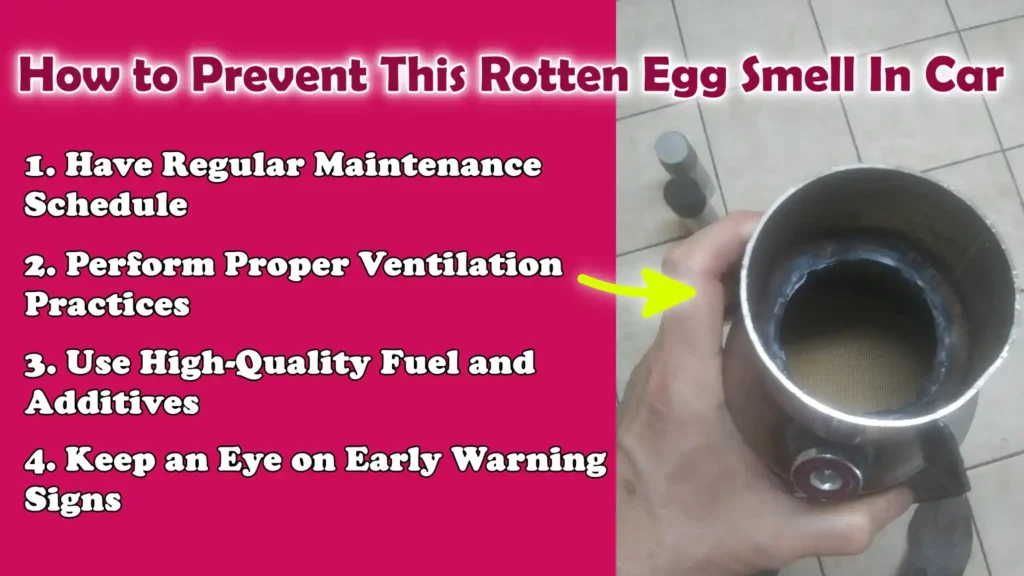
Plus, there’s official emission regulations such as: EPA’s Tier 3 standards that actually mandate to lower the sulfur levels in the fuel so that it can enhance the catalytic converter’s effectiveness, Also automotive emission system actually works best with the low-sulfur gasoline, that reduces the chance of sulfur odors emanating from the exhaust and that improves air quality, which literally supports the need for quality fuel and emission compliance as well.[¹]
1. Have Regular Maintenance Schedule
Adopting a consistent maintenance schedule is the most effective way to prevent a rotten-egg-like odor in your car.
Regular inspections of the catalytic converter, fuel system, HVAC system and battery allow for the early detection of minor issues, ensuring they can be resolved before any foul odors develop.
Changing filters on schedule, checking fluid levels and cleaning components ensure that the vehicle operates smoothly and minimizes the risk of sulfur accumulation or mold growth.
Adhering to a regular servicing schedule also ensures that emission control systems function correctly, thereby safeguarding both the environment and your car’s performance.
2. Perform Proper Ventilation Practices
Maintaining proper ventilation in your car helps prevent the accumulation of moisture and the growth of mold, factors often responsible for sulfur-like odors.
Whenever possible, run the air conditioning fan for a few minutes without engaging the AC compressor to allow accumulated moisture to dry out; additionally, when parking in secure locations, leave the windows slightly ajar to ensure continuous airflow.
Keeping vents and ducts clean and unobstructed ensures unrestricted air circulation, minimizing the potential for microbial growth and helping to maintain a fresh scent inside the vehicle.
3. Use High-Quality Fuel and Additives
Using high-quality fuel from reputable stations helps reduce sulfur levels and prevents the rotten-egg-like odor often associated with poor-quality gasoline.
Avoiding substandard fuels and adhering to the manufacturer’s recommendations regarding fuel additives ensures that the chemical balance within the fuel system remains stable.
Additives designed to clean the fuel system or reduce sulfur compounds can help prevent odors, while also improving engine efficiency and overall performance.
Regular maintenance of the fuel system, combined with the use of high-quality fuel, significantly reduces the risk of sulfur-like odors recurring.
4. Keep an Eye on Early Warning Signs
Paying attention to early warning signs such as: unusual odors, reduced fuel mileage, an illuminated ‘Check Engine’ light, or smoke emitting from the exhaust, allows you to address potential issues before they escalate.
Timely detection and prompt action prevent minor glitches from turning into major repairs, issues that could otherwise result in sulfur-like odors or damage to critical components.
Keeping a record of recurring symptoms and taking immediate steps to inspect or service the affected systems ensures both the safety and longevity of the vehicle.
Read More:
- How to Diagnose a Bad Catalytic Converter
- How to Replace a Muffler
- How to Fix an Exhaust Leak
- How to Replace an Exhaust System
- How to Fix Grinding Gears
Conclusion – How to Fix Rotten Egg Smell in Car
So, when you prevent and fix sulfer smells then you also have ensured to get fresh air within the car, protected the engine performance and ensured every ride is safe and comfortable rather than difficult one.
This odor serves as a clear warning that one or more of your vehicle’s systems such as: the catalytic converter, fuel system, HVAC, or battery, may not be functioning correctly.
By conducting a thorough inspection to identify the source of the odor and systematically following the recommended steps, you can restore a clean and fresh environment inside your car while simultaneously preventing potential long-term mechanical damage.
Regular maintenance, the use of appropriate fuel, consistent ventilation and timely attention to warning signs are all essential for preventing future odor issues and ensuring that your vehicle operates efficiently.
Now, that’s it from this guide How to Fix Rotten Egg Smell in Car, so that’s it from this guide and if you still have questions just comment down below for more information.
Frequently Asked Questions
FAQ 1: Why does my car smell like rotten eggs?
A rotten-egg-like smell in a car is typically caused by gases. The most common culprits include: a faulty catalytic converter (which fails to properly process exhaust gases), poor-quality or contaminated fuel, mold or mildew buildup inside the HVAC system or vents and issues related to the battery or electrical components. Occasionally, a dead animal trapped in the vents or under the hood can also produce a foul, decaying odor. Promptly identifying the source of the smell can prevent potential damage to the car and minimize health risks associated with inhaling the fumes.
FAQ 2: How can I determine if the catalytic converter is the problem?
If the catalytic converter is the source of the odor, you may detect a rotten-egg smell coming from the exhaust, particularly when accelerating or when the vehicle is idling (running while stationary). Other symptoms include the illumination of the ‘Check Engine’ light or strange rattling noises coming from underneath the car. While a professional mechanic can confirm this using diagnostic tools, you can also perform a visual inspection yourself to check for signs of damage or corrosion; additionally, listening carefully for any unusual sounds while the car is running (or idling) can help pinpoint the issue.
FAQ 3: Can I fix the rotten-egg smell problem myself?
Yes, you can resolve many of the issues causing the odor yourself by following a few simple DIY steps. Cleaning the HVAC vents, replacing the cabin air filter, using fuel additives to address fuel-related issues and draining old or contaminated fuel from the tank are all tasks you can perform on your own. You can also clean the battery terminals and check whether the car’s air intake system is functioning correctly. However, if the catalytic converter is severely damaged, there is a serious issue with the fuel delivery system, or there are persistent electrical faults, it is best to consult a professional. Diagnosing and safely resolving these issues requires specialized tools and expertise.
FAQ 4: Can poor-quality fuel also cause a rotten-egg-like odor?
Yes, poor or low-quality fuel is a common cause of this sulfurous odor. Gasoline that contains high levels of sulfur or fuel that has been sitting in storage tanks for an extended period, as it can produce this smell when combusted in the engine. This problem can be avoided by using high-quality, approved fuel additives. If the fuel is very old or contaminated, the odor may persist; in such cases, the old fuel should be drained from the tank and replaced with fresh gasoline to completely eliminate the smell.
FAQ 5: Can mold or mildew inside the car also cause a rotten-egg-like odor?
Indeed. If moisture accumulates, mold or mildew can grow inside the HVAC system, air vents, or cabin air filter. Microbes thrive in warm, damp environments, where they can release gases that produce a foul, rotten-egg-like odor. This issue can be resolved and prevented, by cleaning the air vents, using an air duct sanitizer and regularly inspecting or replacing the cabin air filter and the AC drainage system.
FAQ 6: Is it dangerous to ignore a rotten-egg-like odor?
Yes, ignoring this odor can pose a risk to both your health and the condition of your car. Specifically, inhaling sulfuric acid and other noxious gases over prolonged periods can cause headaches, nausea, or irritation of the respiratory tract. Mechanically, issues such as a failing catalytic converter or a leaking battery can escalate, potentially leading to engine damage, reduced vehicle performance, or the need for extensive repair work. It is crucial to identify the source of the odor and address it immediately.
FAQ 7: How can I prevent my vehicle from developing a rotten-egg-like odor?
A combination of regular maintenance and good driving habits is essential to prevent such odors. Recommended measures include scheduling regular vehicle servicing, inspecting the catalytic converter, cleaning or replacing the cabin air filter, using high-quality fuel and ensuring the proper functioning of the AC system. Address any mechanical issues immediately and pay close attention to early warning signs such as unusual smells, smoke, or changes in vehicle performance. Addressing issues in a timely manner is the most effective way to keep your car smelling fresh and running smoothly.
FAQ 8: What could be the cause of a battery-related odor in hybrid or electric vehicles?
Yes, in electric or hybrid vehicles, a rotten-egg-like odor can be caused by sulfuric acid fumes emitting from the battery. Battery leaks, overheating, or the generation of gases particularly hydrogen sulfide, as it can produce a pungent, sulfurous odor. Regular battery inspections, cleaning the terminals and ensuring proper ventilation around the battery compartment are preventive measures that can be taken. If the odor persists, a professional inspection is highly recommended.
References:
[1] Small Entity Compliance Guide for “Control of Air Pollution From Motor Vehicles: Tier 3 Motor Vehicle Emission and Fuel Standards”
https://www.epa.gov/system/files/documents/2021-08/compliance-tier3motorvehicle_emission_1.pdf
Hello Folks, Dean Shali here to help you out to solve the problems with your lovely vehicle, as i have lots of experience and knowledge about automotive industry as i woks directly with the customers and repair vehicles and i love to help the people to keep their cars safe and running smoothly.